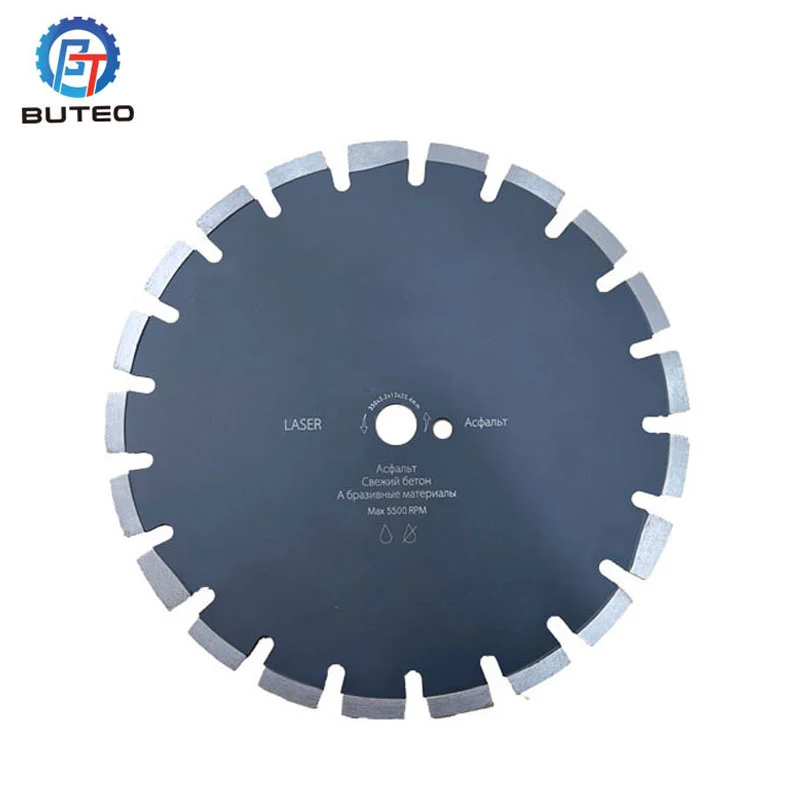
Cutting control joints is one of the most important steps in managing cracking in newly placed concrete slabs. The challenge is timing. Cutting too early can pull aggregate from the surface and cause joint-edge damage, while cutting too late allows shrinkage stresses to develop before the planned joint can control where the slab cracks.
Early-entry sawing addresses this problem by cutting the concrete during the initial stage of hardening. However, successful early cutting depends not only on timing but also on using a suitable green concrete blade, operating the saw correctly, and adapting the process to actual site conditions.
What Is Green Concrete?
Green concrete refers to newly placed concrete that has begun to gain strength but has not yet fully hardened or cured.
At this stage, the slab is strong enough to support controlled sawing under suitable conditions, but its cement paste and aggregate structure are still more vulnerable than those of mature concrete.
This creates a narrow operating window. Contractors want to cut early enough to control shrinkage cracking, yet not so early that the saw damages the edges of the joint.
Unlike cured concrete, green concrete can behave differently according to:
cement type and concrete mix;
aggregate hardness;
slab thickness;
ambient temperature;
wind and humidity;
finishing method;
curing conditions.
For this reason, cutting time should be determined by the slab's actual condition rather than by one fixed number of hours.
When Should You Cut Green Concrete?
The correct time is generally when the slab has developed enough strength to resist excessive raveling while still being early enough to form the control joint before random cracking begins.
A contractor should therefore evaluate the concrete surface and test the sawing response.
If the blade pulls aggregate excessively or leaves severely broken joint edges, the concrete may still be too soft.
If uncontrolled cracks have already begun appearing, the ideal early-entry window may have passed.
Environmental conditions can significantly change this window. Concrete placed in hot, dry weather may gain surface strength quickly, while cooler conditions can delay the appropriate cutting time.
Rather than relying solely on elapsed time, experienced operators monitor the actual condition of the slab and begin cutting when clean, stable joints can be produced.
Early-Entry Sawing vs Cutting Cured Concrete
Although both processes use diamond blades, the cutting conditions are different.
Cured concrete has already developed much greater strength. Cutting it requires the blade to continuously grind through a harder cement matrix and aggregate system.
Green concrete is softer, but that does not necessarily make it easier to cut correctly.
The main challenge is protecting the unfinished joint edges while removing material efficiently.
An early entry concrete blade therefore needs to balance cutting speed with controlled interaction between the diamond segment and the relatively soft concrete matrix.
Using a blade designed primarily for mature concrete may produce unnecessary edge damage or inconsistent performance during the green stage.
Why Does Green Concrete Need a Different Diamond Blade?
Diamond blades are engineered around the relationship between diamond particles, segment bond, cutting material, saw power, and operating conditions.
The segment matrix gradually wears during cutting, exposing fresh diamond particles.
For green concrete, the concrete matrix is relatively soft and may also be abrasive. The blade must therefore maintain appropriate diamond exposure without wearing too quickly or aggressively disturbing the slab surface.
A dedicated green concrete blade is designed around these early-age cutting conditions rather than around fully cured concrete.
Blade selection should take into account:
aggregate type;
expected concrete hardness;
saw model and horsepower;
blade diameter;
cutting depth;
dry or wet operating requirements;
desired joint width.
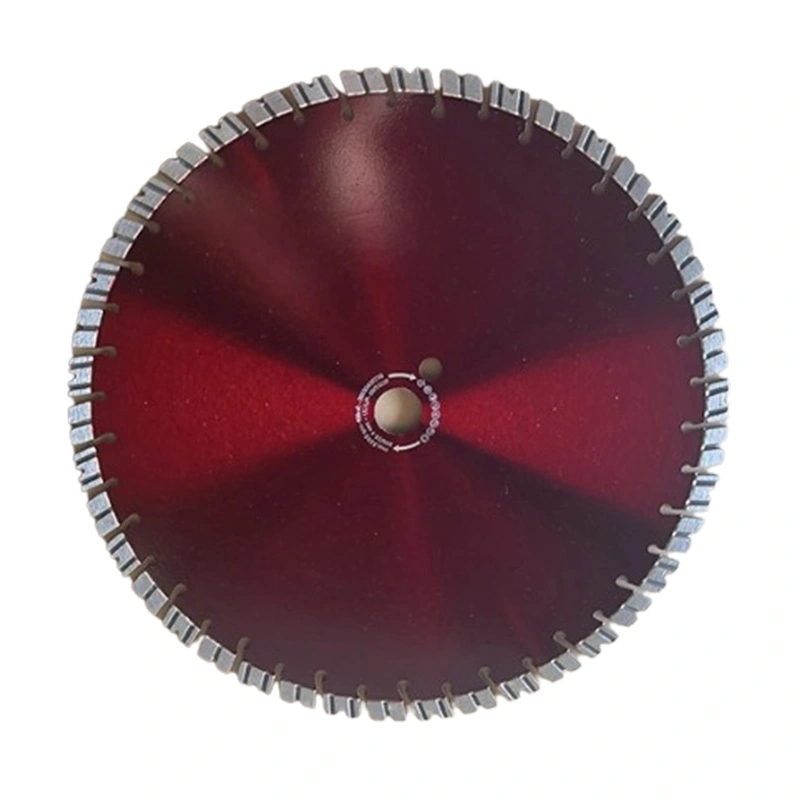
Buteo Diamond Tools offers early-entry green concrete blades in multiple sizes, including 6-, 8-, 10-, 12-, and 13.5-inch options, allowing contractors to match the blade to different early-entry saw configurations.
How Deep Should Control Joints Be Cut?
Control-joint depth should follow the slab design and applicable project requirements.
The purpose of the joint is to create a planned weak plane so that shrinkage cracking occurs at the joint rather than randomly across the slab surface.
If the cut is too shallow, the joint may not provide sufficient stress relief.
However, deeper cutting is not automatically better. Excessive depth increases cutting time, blade wear, and the amount of concrete removed.
Contractors should therefore follow the specified joint depth rather than relying on one setting for every slab.
Slab thickness, reinforcement arrangement, joint spacing, and engineering specifications should all be considered.
How to Reduce Spalling and Joint-Edge Damage
One of the biggest concerns during early-entry sawing is raveling or spalling along the joint.
Several factors can contribute to this problem.
Cutting Too Early
If the surface has not developed sufficient strength, the blade may pull aggregate and paste from the joint edges.
Incorrect Feed Speed
Pushing the saw too aggressively increases mechanical stress at the cutting zone. Slowing the feed may improve edge quality when the concrete is still relatively soft.
Wrong Blade Specification
A blade that does not match green-concrete conditions may cut too aggressively or wear too quickly.
Saw Instability
A poorly maintained or unstable saw can cause blade movement and uneven joints.
Improper Cutting Depth
Trying to reach excessive depth in unsuitable conditions can create unnecessary load on the blade and slab.
The best results normally come from coordinating the blade, saw, feed rate, and timing rather than trying to correct every problem by changing only one parameter.
How to Choose a Green Concrete Blade
Start with the equipment.
Determine the blade diameter, arbor specification, saw horsepower, and maximum cutting depth.
Next, consider the concrete itself.
If aggregate is highly abrasive, blade wear becomes an important concern. If the concrete gains strength quickly, cutting efficiency may become more critical as the slab transitions from green to harder material.
Contractors should also consider the expected volume of work. A blade used for occasional small slabs may have different performance priorities from one used continuously on large commercial floors.
When purchasing an early-entry blade, provide the supplier with:
saw model;
blade diameter;
arbor size;
concrete mix information if available;
aggregate type;
required cutting depth;
expected daily cutting volume.
This information gives the diamond-tool manufacturer a better basis for recommending the correct specification.
Common Green Concrete Cutting Problems
Excessive Blade Wear
Very abrasive green concrete can wear a segment rapidly. If wear is unusually fast, verify the blade specification, cutting speed, and concrete characteristics.
Slow Cutting
Slow cutting may indicate unsuitable segment design, insufficient saw power, glazing, or incorrect operating conditions.
Chipped Joint Edges
Check whether sawing began too early, whether feed speed is excessive, and whether the blade is suitable for early-entry work.
Troubleshooting should evaluate the full cutting system rather than immediately assuming the blade is defective.
Conclusion
Early-entry sawing is fundamentally about controlling when and where a concrete slab cracks.
A properly selected green concrete blade allows contractors to cut control joints while the slab is still in the early stage of hardening, but blade selection alone cannot guarantee good results.
Concrete condition, aggregate, weather, saw power, cutting depth, and feed speed all influence joint quality.
By evaluating these factors together and selecting an early-entry blade that matches the actual saw and slab conditions, contractors can produce cleaner control joints while reducing uncontrolled cracking and unnecessary blade wear.
Green Concrete Blade FAQs
Can a normal concrete blade cut green concrete?
It may physically cut the material, but a blade designed specifically for green concrete is generally better suited to the softer and more abrasive conditions encountered during early-entry sawing.
What causes joint-edge raveling?
Common causes include cutting too early, excessive feed speed, saw instability, and unsuitable blade specification.
Does green concrete require wet cutting?
That depends on the saw system and blade design. Contractors should follow the operating requirements of both the saw and blade.
How do I choose the correct blade diameter?
Use the blade size supported by the early-entry saw and ensure it provides the required cutting depth while matching the machine's arbor and operating speed.
Vivian
I am Vivian. I have been working in diamond tools for 22 years, having a deep understanding of the global market for diamond tools. I can provide you with professional advice and guidance. Our factory has been engaged in the diamond industry for over 30 years, having a precise grasp of industry trends. We have deep cooperation with 60+clients in over 100+ countries we have collaborated with, continuously improving our products through cooperation with customers. More adaptable to the needs of the market.
Prestressed concrete is widely used in structural elements that need high strength, long spans, and controlled deflection. Beams, piles, bridge elements, slabs, poles, and precast components can conta...
Cutting and finishing hard surfaces — from ceramic and porcelain tile to granite slabs and worn asphalt — requires the right mix of tooling and technique. Choosing the correct blade or wheel improve...
Diamond core bits are pivotal tools in the construction industry, renowned for their efficacy and precision. Their primary function is to drill through a variety of tough materials, facilitating proje...