Hebei Buteo International Co., Ltd.

How to Cut Prestressed Concrete: Blade Selection, Rebar Challenges, and Cutting Parameters

Table of Content [Hide]

    Prestressed concrete is widely used in structural elements that need high strength, long spans, and controlled deflection. Beams, piles, bridge elements, slabs, poles, and precast components can contain high-strength concrete together with prestressing steel, reinforcement, or steel strands.


    This combination creates a demanding cutting environment.


    A blade must not only remove dense concrete and aggregate but also maintain stable performance when encountering embedded steel. Choosing an appropriate prestressed concrete blade therefore requires a different approach from selecting a general-purpose blade for ordinary concrete.


    Why Is Prestressed Concrete Difficult to Cut?


    The difficulty comes from the combination of materials.

    Prestressed concrete commonly contains relatively high-strength concrete along with steel tendons or strands that introduce compressive forces into the structural member.


    During cutting, the blade may repeatedly transition between:

    • cement matrix;

    • hard aggregate;

    • reinforcement;

    • prestressing steel.


    Concrete and steel wear a diamond segment differently.

    The concrete provides abrasive cutting conditions, while steel introduces greater heat, friction, and mechanical load.

    A blade specification that performs well in plain concrete may therefore lose cutting efficiency when steel content increases.


    Prestressed Concrete vs Reinforced Concrete Cutting


    Reinforced and prestressed concrete both contain steel, but the structural systems are different.


    Traditional reinforced concrete relies on reinforcing bars placed within the concrete to carry tensile loads.


    Prestressed concrete introduces force into steel tendons before or after the concrete reaches the required strength, placing the concrete under compression.


    For cutting operations, the important distinction is that prestressed elements may contain significant high-strength steel and dense concrete within a demanding structural configuration.


    Operators should never treat structural cutting as only a blade-selection issue. Before cutting an existing prestressed member, the cutting plan must account for structural safety and the effects of releasing prestressing forces.


    Once cutting has been properly engineered and approved, the diamond blade must then be matched to the material and equipment.


    What Type of Diamond Blade Is Best for Prestressed Concrete?


    A diamond blade for prestressed concrete needs to balance concrete cutting capability with resistance to the additional load created by steel.

    Several design factors matter.


    Segment Bond

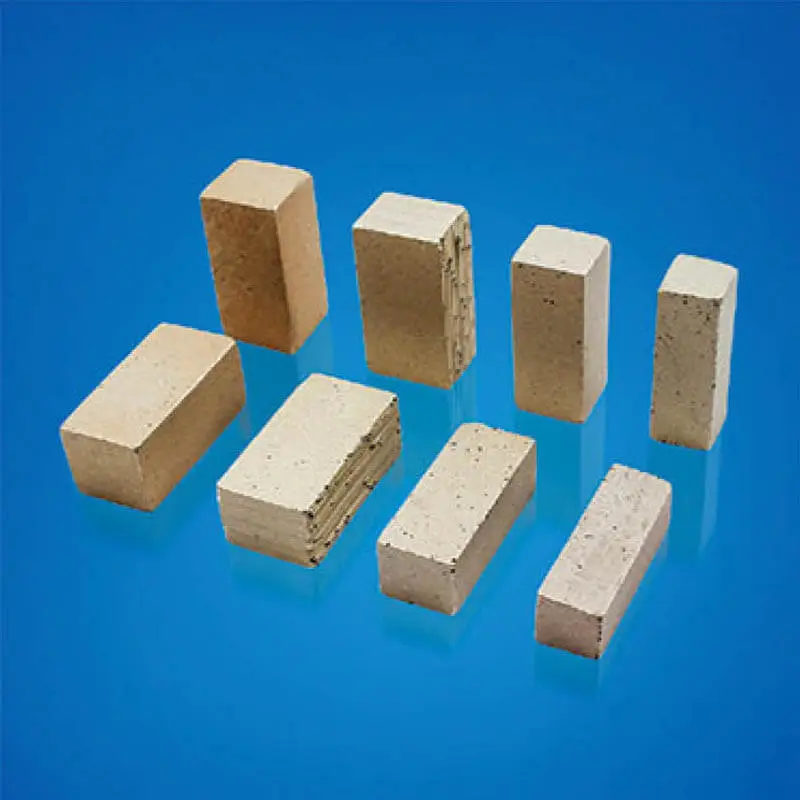
    The bond controls how quickly the metal matrix wears and exposes new diamonds.

    If the bond wears too slowly, the segment may glaze and stop cutting efficiently.

    If it wears too rapidly, blade life can become uneconomical.


    Diamond Specification

    Diamond quality, size, and concentration influence cutting speed and segment life.


    Segment Design

    Segment shape affects cooling, debris removal, cutting contact, and mechanical stability.


    Welding Quality

    Large concrete blades are subjected to substantial mechanical and thermal load. Secure segment attachment is therefore critical.


    Blade Core

    The steel core must remain stable at the required diameter, RPM, and cutting load.

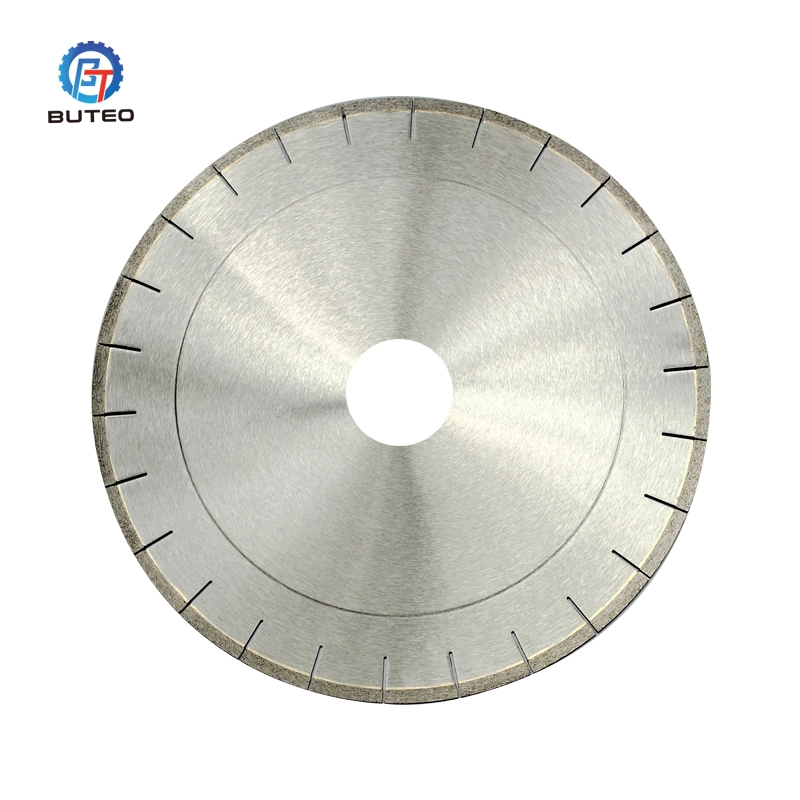
    Buteo Diamond Tools' prestressed concrete blade range includes large-diameter options approximately from 600 to 1300 mm, supporting heavy-duty cutting applications where substantial cutting depth is required.


    How Does Rebar and Steel Content Affect Blade Performance?


    As steel content increases, cutting conditions change.

    Steel generally cuts more slowly than concrete with a diamond blade and generates additional heat.


    Repeatedly encountering steel can therefore:

    • reduce cutting speed;

    • increase segment temperature;

    • increase machine load;

    • alter segment wear;

    • shorten blade life if the specification is unsuitable.


    This is why buyers should tell the blade supplier whether the concrete contains light reinforcement, heavy rebar, or substantial prestressing steel.


    Simply stating "concrete cutting" does not provide enough information for accurate blade selection.


    Why Cooling Is Important


    Heat is one of the major factors affecting blade performance during heavy concrete cutting.


    Large-diameter blades cutting dense concrete and embedded steel can generate significant heat at the segment.


    Adequate water supply in wet-cutting systems helps:

    • cool the blade;

    • remove slurry and debris;

    • reduce heat accumulation;

    • support stable segment performance.


    Insufficient cooling can contribute to overheating, glazing, accelerated wear, and other cutting problems.


    Operators should ensure water reaches the cutting zone effectively rather than simply confirming that water is flowing somewhere around the blade.


    Blade Diameter, RPM, and Cutting Depth


    A larger blade provides greater cutting depth, but it also places greater demands on the machine.


    Before installing a prestressed concrete blade, check:

    • saw power;

    • spindle speed;

    • maximum permitted blade diameter;

    • arbor size;

    • flange condition;

    • cutting depth;

    • water supply.


    The blade's maximum operating speed must be compatible with the saw.


    Using a large blade on an underpowered machine can cause poor cutting performance even if the blade specification itself is correct.


    Likewise, forcing a blade through the material faster than the saw can maintain suitable RPM increases load and heat.


    Common Problems When Cutting Prestressed Concrete


    Slow Cutting

    Slow cutting may result from glazing, insufficient machine power, unsuitable bond selection, excessive steel content, or an aggressive feed rate that causes the machine to lose speed.


    Segment Glazing

    When fresh diamonds are not exposed properly, the segment surface can become smooth and lose cutting ability.

    The operator should review both blade specification and operating conditions rather than simply applying more force.


    Excessive Segment Wear

    Fast wear may indicate that the bond is too soft for the material, the concrete is highly abrasive, or operating parameters are accelerating wear.


    Overheating

    Check cooling-water delivery, feed rate, blade specification, and saw condition.


    Blade Wandering

    Blade stability can be affected by core condition, flange alignment, excessive side pressure, machine condition, or pushing the blade too aggressively.


    Segment Loss

    A missing segment should be treated seriously. Stop using the blade and inspect the cutting system before continuing.


    What Information Should Buyers Provide Before Ordering?


    For B2B purchasing, the phrase "prestressed concrete blade" is only the starting point.


    A useful RFQ should include:

    • blade diameter;

    • arbor size;

    • saw model;

    • machine power;

    • operating RPM;

    • target cutting depth;

    • concrete strength if known;

    • aggregate type;

    • approximate steel or rebar content;

    • wet or dry cutting requirement;

    • expected daily cutting volume;

    • required segment height;

    • project quantity.


    These details allow the diamond-tool manufacturer to recommend the segment and blade specification according to actual operating conditions.


    For repeat projects, buyers should also provide feedback on previous blade performance, including cutting speed, segment life, and wear pattern.


    How to Evaluate a Prestressed Concrete Blade for Bulk Purchasing


    The lowest unit price does not necessarily produce the lowest cutting cost.


    Contractors should evaluate performance using a combination of:

    cutting speed + blade life + machine productivity + consistency


    For example, a blade that lasts longer but cuts extremely slowly may reduce project productivity. A very aggressive blade may cut quickly but require frequent replacement.


    Before committing to large quantities, a controlled job-site trial can provide useful data.


    Record:

    • material being cut;

    • blade size;

    • machine;

    • cutting depth;

    • operating time;

    • meters of cutting;

    • segment wear;

    • unusual vibration or heat.


    This provides a much more meaningful comparison than judging different blades only by purchase price.


    Conclusion


    Cutting prestressed concrete places substantial demands on both the saw and diamond blade because the cutting zone can combine dense concrete, hard aggregate, reinforcement, and high-strength steel.


    A suitable prestressed concrete blade must therefore be selected according to material composition, blade diameter, machine power, cooling, steel content, and required productivity.


    For contractors and precast manufacturers, providing accurate operating information to the blade supplier is one of the most effective ways to improve cutting performance.

    The objective is not simply to find a blade that can cut prestressed concrete, but to achieve a practical balance between cutting speed, segment life, stability, and total cost per cut.


    Prestressed Concrete Blade FAQs


    Can a standard concrete blade cut through prestressing steel?

    Some concrete blades can encounter steel, but heavy or repeated steel cutting may require a blade specifically designed for reinforced or prestressed concrete conditions.


    Why does cutting slow down when the blade reaches steel?

    Steel creates different cutting resistance and generates more heat than the surrounding concrete, which can reduce cutting speed.


    Is wet cutting recommended for large prestressed concrete blades?

    Wet cutting is commonly used in heavy-duty applications because effective water delivery helps cool the blade and remove cutting debris.


    What should I tell the supplier before ordering a blade?

    Provide the blade diameter, arbor, saw power, RPM, cutting depth, concrete characteristics, steel content, and expected workload so the blade specification can be matched to the project.


    Vivian
    Vivian

    I am Vivian. I have been working in diamond tools for 22 years, having a deep understanding of the global market for diamond tools. I can provide you with professional advice and guidance. Our factory has been engaged in the diamond industry for over 30 years, having a precise grasp of industry trends. We have deep cooperation with 60+clients in over 100+ countries we have collaborated with, continuously improving our products through cooperation with customers. More adaptable to the needs of the market.

    Products
    References
    More News About Diamond Tools
    Dec 26-2024
    Introduction and Application of Marble Cutting Segment
    What is a Marble Cutting SegmentA marble cutting segment is a high-performance cutting tool specifically designed for diamond saw blades. These blade segments play a crucial role in the stone processi...
    Introduction and Application of Marble Cutting Segment
    Jul 15-2025
    Concrete Blades for Circular Saw: The Modern Choice for Efficient Cutting
    What Are Concrete Blades for Circular Saw?Concrete blades for circular saw are specialized cutting tools installed on circular saws. Their blade portion is typically made by sintering industrial-grade...
    Concrete Blades for Circular Saw: The Modern Choice for Efficient Cutting
    Aug 10-2026
    When Should You Cut Green Concrete? A Guide to Early-entry Sawing and Blade Selection
    Cutting control joints is one of the most important steps in managing cracking in newly placed concrete slabs. The challenge is timing. Cutting too early can pull aggregate from the surface and cause ...
    When Should You Cut Green Concrete? A Guide to Early-entry Sawing and Blade Selection