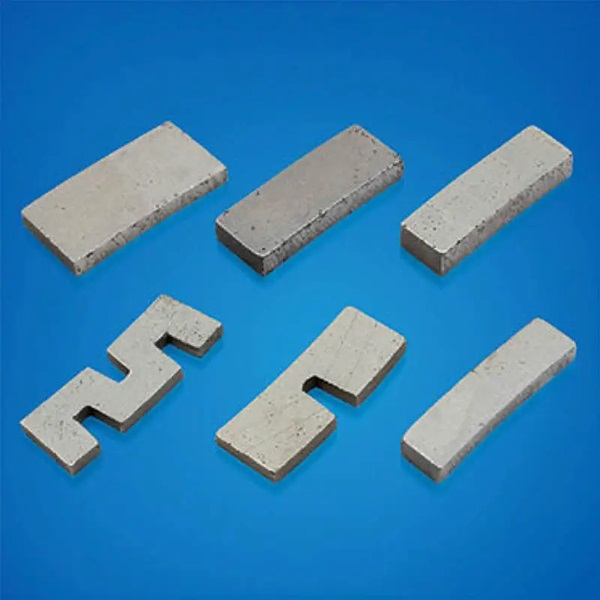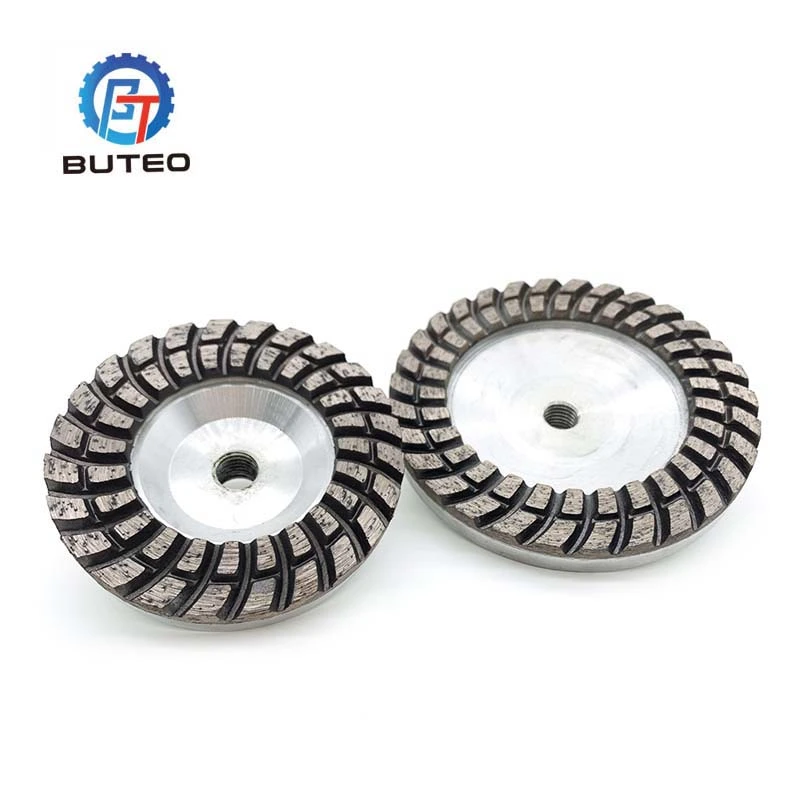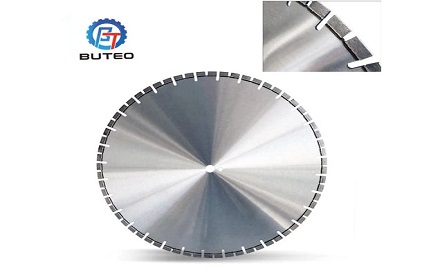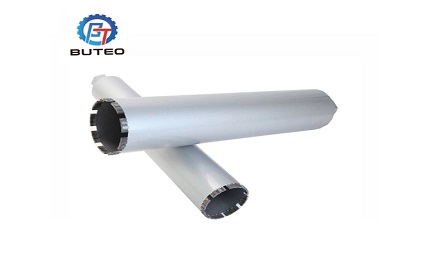
Diamond grinding tools, such as diamond saw blades, grinder saw blades, and diamond cup grinding wheels, are known for their durability and precision in cutting and grinding applications. Whether you are working with concrete, porcelain, or granite, proper maintenance of these tools is crucial to ensure optimal performance and extend their lifespan. This article provides a comprehensive guide on cleaning methods, storage tips, inspection routines, sharpening techniques, and strategies for lifespan extension to help you maximize the efficiency of your diamond grinding tools. These maintenance methods are also widely adopted in diamond tool manufacturing, where tool longevity and performance are essential for consistent quality.
Cleaning Methods
Cleaning diamond grinding tools regularly is essential to prevent material build-up and maintain their cutting efficiency. One effective method is using a wire brush to remove debris from the tool's surface. Additionally, soaking the tool in a solution of water and mild detergent can help dissolve stubborn residues. In the diamond tool manufacturing process, similar cleaning principles are applied to remove metal residues and ensure diamond segments remain sharp and effective.
Tool Type
Cleaning Method
Frequency
Diamond Saw Blade
Wire Brush, Detergent Soak
After Every Use
Diamond Core Drill Bits
Water Rinse, Soft Brush
After Every Use
Diamond Grinding Wheels
Compressed Air, Solvent Wipe
Weekly
Storage Tips
Proper storage of diamond grinding tools can significantly affect their longevity and performance. These tools should be stored in a clean, dry environment, ideally in a tool chest with separate compartments to prevent damage from other tools. Similarly, in diamond tool manufacturing facilities, controlled storage environments help maintain the integrity of diamond segments and prevent premature corrosion or bonding failure.
Storage Location
Condition
Tool Chest
Dry, Separated Compartments
Wall Rack
Away from Moisture
Shelf
Clean, Elevated
Inspection Routines
Regular inspections can help identify wear and potential damage to diamond grinding tools before they compromise work quality. Check for worn spots, cracks, or dents, and replace any damaged tools promptly. Manufacturers involved in diamond tool manufacturing often conduct similar quality inspections during production to ensure each tool meets safety and performance standards before shipment.
Inspection Item
Signs of Wear
Cutting Edge
Dullness, Chips
Core Bit
Cracks, Deformation
Grinding Surface
Uneven Wear, Missing Segments
Sharpening Techniques
Sharpening diamond grinding tools, especially diamond blades and diamond core bits, ensures optimal cutting performance. You can sharpen these tools using a dressing stone or by cutting softer materials to expose fresh diamond edges. The same approach is often seen in diamond tool manufacturing, where diamond segments are conditioned before delivery to guarantee immediate performance on-site.
Tool
Sharpening Method
Diamond Saw Blade
Dressing Stone
Diamond Core Drill Bit
Soft Material Cut
Diamond Grinding Wheel
Abrasive Surface Touch-up
Lifespan Extension
To extend the lifespan of your diamond tools, ensure that you're using them for appropriate applications to minimize wear and tear. Avoid overheating the tools by letting them cool down between uses and using appropriate speed settings. In professional diamond tool manufacturing, engineers emphasize the importance of proper cooling, material matching, and rotational control to optimize both tool durability and cutting efficiency.
Factor
Optimal Practice
Usage Application
Adhere to Recommended Materials
Cooling Method
Regular Breaks
Speed Settings
Adjust According to Material
Conclusion
Proper maintenance of diamond grinding tools requires diligent application of cleaning methods, storage practices, regular inspections, sharpening techniques, and carefully managed usage. By implementing these strategies, you can maximize the efficiency and lifespan of your tools, ensuring that each use provides the precision and quality needed for the job. The same care and attention used in diamond tool manufacturing should be reflected in daily maintenance to achieve professional-grade performance and reliability.
Vivian
I am Vivian. I have been working in diamond tools for 22 years, having a deep understanding of the global market for diamond tools. I can provide you with professional advice and guidance. Our factory has been engaged in the diamond industry for over 30 years, having a precise grasp of industry trends. We have deep cooperation with 60+clients in over 100+ countries we have collaborated with, continuously improving our products through cooperation with customers. More adaptable to the needs of the market.
The structure of the diamond segment is a crucial factor affecting the performance of diamond saw blades. The shape and internal composition of the diamond segment directly determine its cutting effic...
The angle grinder is one of the most versatile hand tools for stone and tile work. With the right blade or pad it can cut, grind, shape and polish — tasks that sometimes require larger, stationary eq...
Basic Overview of Tuckpoint Grinder BladeA tuckpoint grinder blade is a cutting tool specifically used for trimming and cleaning the gaps in masonry structures. Typically, this blade is made from high...