The angle grinder is one of the most versatile hand tools for stone and tile work. With the right blade or pad it can cut, grind, shape and polish — tasks that sometimes require larger, stationary equipment. This article explains which accessories work best with an angle grinder, how to use them safely, and how to finish edges to a professional standard.
When to use an angle grinder vs a larger saw
Use an angle grinder when you need portability, tight-space access, or when working on installed pieces (like wall tiles or stair noses). An angle grinder is ideal for small cuts, notches, edge profiling, and on-site adjustments. For long rip cuts on large slabs, a table saw or wet saw may be faster and produce straighter results.
Angle grinders are also the tool of choice for shaping and finishing since swapping to a grinding cup or polishing pad is quick and straightforward.
Best blade and pad choices for grinder tasks
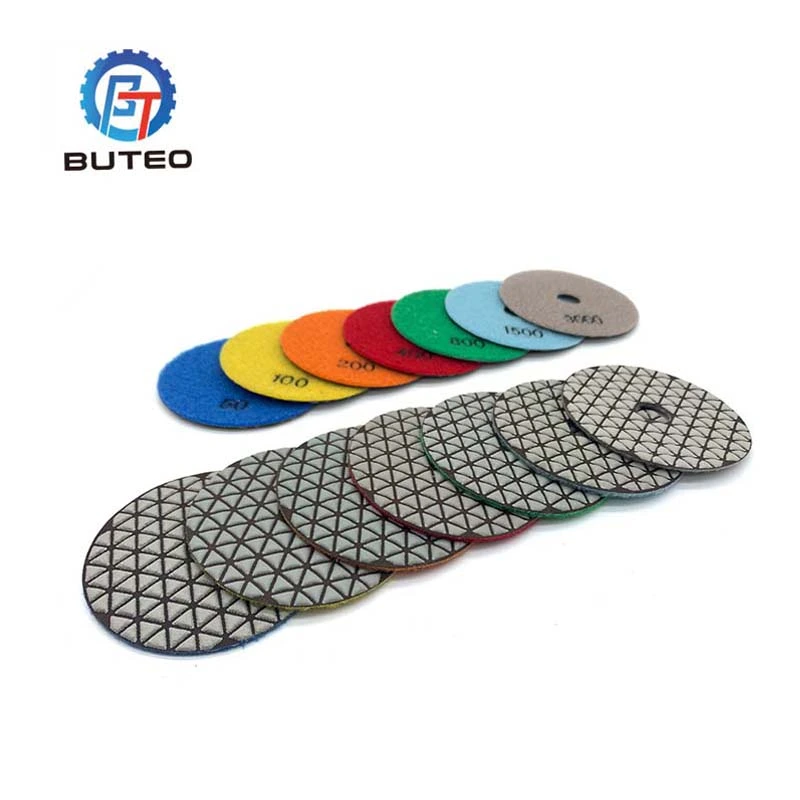
For tile cutting: fine continuous-rim blades or thin turbo blades reduce chipping and produce smoother edges. For stone and granite: segmented or cup wheels with coarser grits remove material quickly and resist glazing. For finishing: resin or diamond polishing pads let you progress from coarse smoothing to a glossy surface.
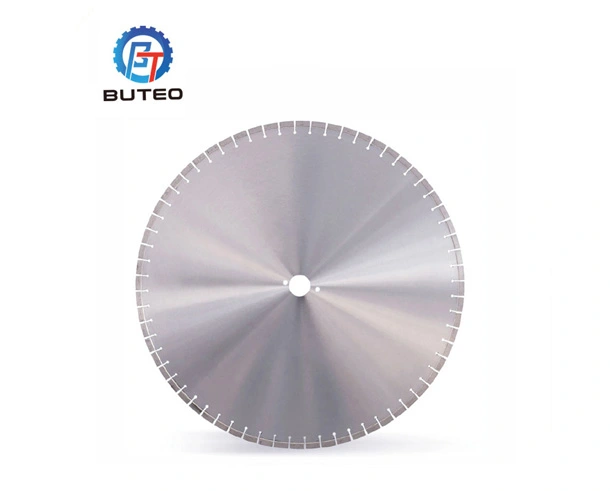
If you need a blade that maintains good cutting speed on dense stone, consider products such as a diamond segments for granite cutting option engineered for slab profiling. For plunge cuts or irregular shapes, choose a blade with the correct arbor and secure mounting.
Techniques for clean cuts and precise profiles
Secure the tile or stone: clamps and a stable platform reduce vibration and chipping.
Score and then cut lightly along the line in multiple passes for fragile porcelain or glazed tile.
For plunge cuts, start shallow and deepen the slot incrementally. This method prevents overheating and reduces stress on the blade.
Finish edges with a grinding cup or a series of polishing pads rather than trying to achieve a finished edge in a single pass.
A good workflow moves from coarse shaping to finer grits and then to polishing. For example, use a cup wheel to shape, then a medium grit grinding disc to smooth, and finish with dedicated pads to refine gloss.
Polishing pads, grit progression and surface care
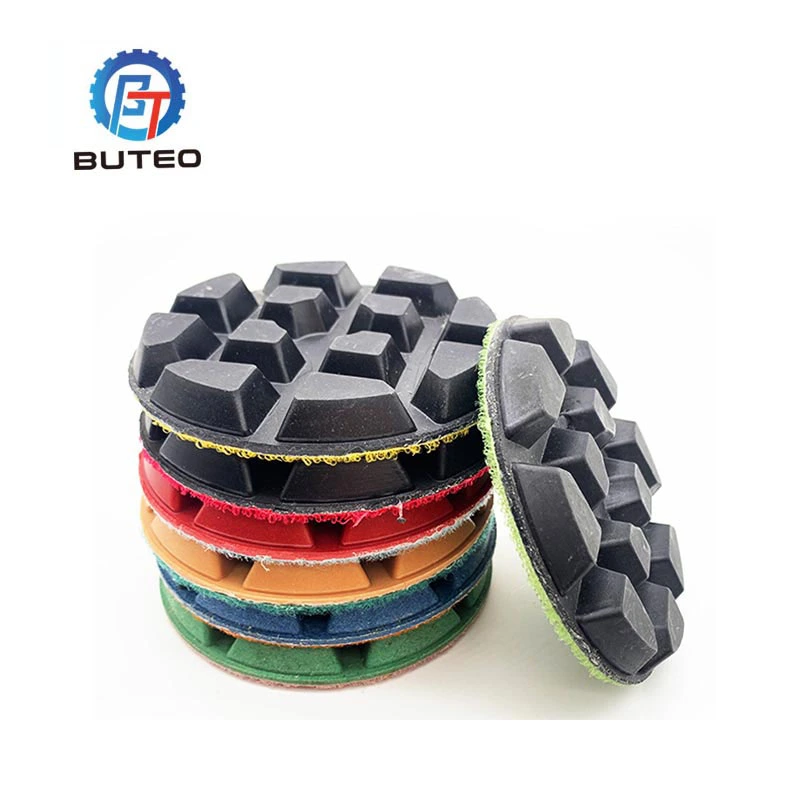
Begin polishing with a coarse pad if there are chips or major scratches. Progressively move through finer grits — this removes previous scratch patterns and builds shine. For stone, wet polishing yields the best outcome: the slurry helps expose new diamond particles and produces a clearer polish.
For ceramic tiles, resin polishing pads are common; for polished granite, diamond-bonded pads deliver superior results. After polishing, clean the surface thoroughly to remove slurry and dry before sealing or grouting.
Supply choices and manufacturing considerations
Sourcing blades and segments from a reliable manufacturer makes a measurable difference in cut consistency and segment life. For customers buying blades in bulk, options like wholesale granite cutting blade programs offer cost savings and consistent specifications. If you manufacture or need custom segment geometry, contact a diamond segments factory for tailored solutions.
If you often need brazed mounting systems for specialized saws, investigate suppliers that produce a brazed saw blade line suited to your machine and applications.
Safety checklist for angle grinder cutting and polishing
Always use eye, ear and respiratory protection. Dry cutting generates harmful dust.
Verify the guard and handle are correctly installed and tightened.
Match the blade or pad to the grinder’s RPM and arbor size.
Keep hands clear of the cutting path and avoid awkward positions that risk losing control.
Pause periodically during long cuts to let the blade cool.
FAQ — common customer questions
Q1: Can an angle grinder cut large stone slabs accurately?
An angle grinder can cut stone in a pinch, especially for small cuts or finishing, but for long straight cuts across large slabs a larger wet saw or bridge saw usually yields more accurate, straight results.
Q2: Which rim type prevents chipping when cutting tile with a grinder?
Continuous rim or fine turbo blades are best for minimizing chipping on ceramic and porcelain tiles when using an angle grinder.
Q3: What polishing pads should I use after cutting tile?
Start with a medium grit to remove burrs and progress through finer grits to build shine. Use pads designed for ceramic tiles or the specific stone type to avoid incompatible abrasives.
Q4:How do I avoid overheating the blade when making plunge cuts?
Use shallow passes, keep the blade moving at a steady rate, and use water cooling if possible. Overheating causes glazing and loss of cutting power.
Q5: Where can I find heavy-duty blades for road or concrete work?
For heavy removal of pavement or concrete, look for blades designed for coarse aggregates. For larger orders or recurring projects, consider suppliers of bulk asphalt blades and related commercial products.
Vivian
I am Vivian. I have been working in diamond tools for 22 years, having a deep understanding of the global market for diamond tools. I can provide you with professional advice and guidance. Our factory has been engaged in the diamond industry for over 30 years, having a precise grasp of industry trends. We have deep cooperation with 60+clients in over 100+ countries we have collaborated with, continuously improving our products through cooperation with customers. More adaptable to the needs of the market.
Marble, as a beautiful and durable building and decorative material, is widely used in floors, walls, countertops, and many other areas. However, over time, the surface of marble is easily affected by...
Choosing the right blade for cutting concrete is crucial for any construction project, especially for bulk purchasers who need to balance quality and cost. The right blade can significantly impact the...
How to Identify the Best Blade for Cutting Marble?A high-quality marble cutting blade should be tailored to your specific needs, like a traditional Chinese medicine prescription. Nickel-plated diamond...