Hebei Buteo International Co., Ltd.

Choosing the Right Blade and Wheel for Cutting Tile, Granite & Asphalt

Table of Content [Hide]

    Cutting and finishing hard surfaces — from ceramic and porcelain tile to granite slabs and worn asphalt — requires the right mix of tooling and technique. Choosing the correct blade or wheel improves cut quality, reduces breakage, and extends tool life. This guide walks you through how to match tool geometry and bond to the material, practical setup and safety tips, and which accessories help you get a professional finish every time.


    Understand the material first


    Before you choose a blade or wheel, identify the workpiece and the finish you want. Ceramic and porcelain tile are brittle and chip easily; they usually demand a fine rim or continuous-rim blade and, when possible, wet cutting to keep dust down. Granite and other dense natural stones are highly abrasive and require blades and grinding wheels with tougher diamonds and the right metal bond so the abrasives remain effective rather than glazing over. Asphalt and concrete are coarse and forgiving but need blades designed to handle aggressive material removal.


    Different attachments exist for the same machine: segmented rims for fast cutting, continuous rims for smooth finishing, turbo rims for a balance of speed and finish, and polishing pads for achieving glossy surfaces. Matching the tool to the task will save time and money.


    Blade geometry and bond — what actually matters


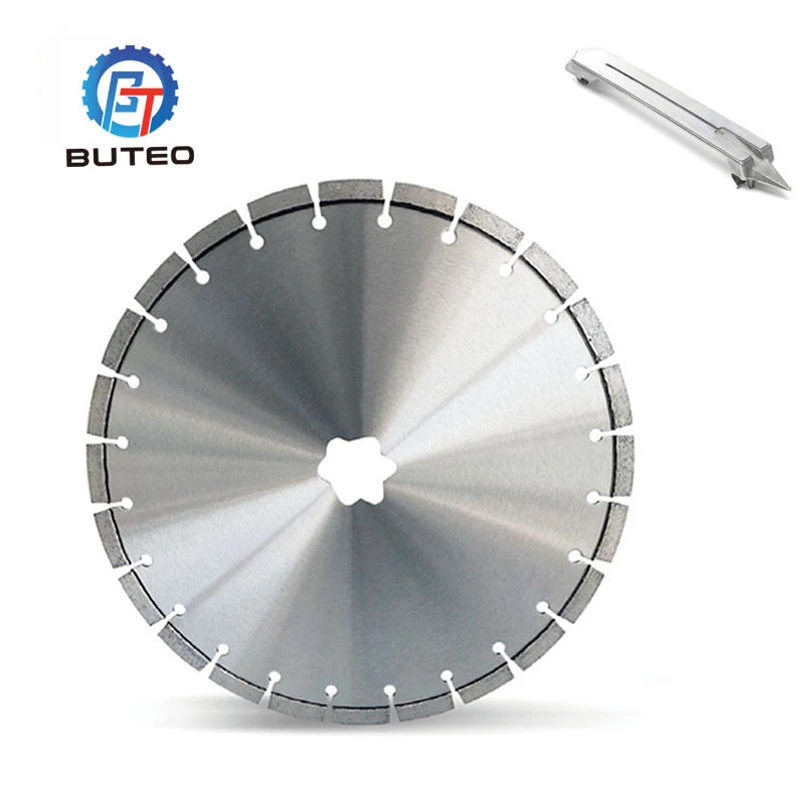
    A blade’s performance is determined by two primary features: the abrasive segments (what’s bonded to the rim) and the bond (the metal matrix that holds the diamonds). Harder materials often require a softer bond so the diamonds wear free and remain sharp; softer materials need a harder bond to prevent rapid diamond loss. Rim design also affects finish: continuous rims resist chipping on tile, while segmented rims remove material more quickly on stone and concrete.


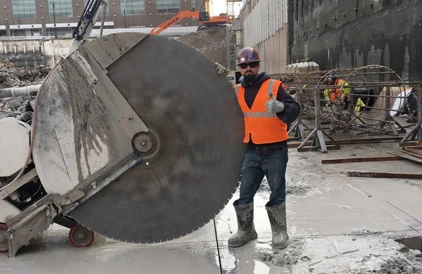
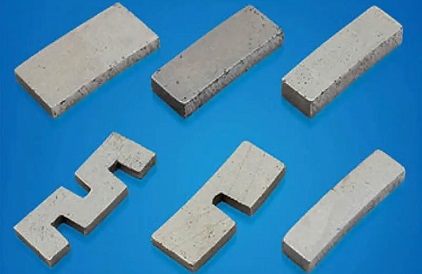
    If you work with large stone slabs, consider blades and segments engineered for heavy loads. For example, suppliers often offer options with specialty segment profiles for granite profiling. If buying in bulk for road repair or commercial use, there are purpose-built choices for aggressive cutting.


    Wet vs dry cutting, dust and cooling


    Heat and dust are the two biggest enemies when cutting tile or stone. Wet cutting reduces temperature and dust, preserves diamonds and keeps edges clean. When water is impractical, use high-quality dust extraction and take frequent breaks to avoid overheating the blade or wheel. For indoor jobs, dust control is essential to worker health and to preserve surrounding finishes.


    When grinding and polishing, a steady water flow also aids grit progression: coarser grits remove defects, intermediate grits refine the surface, and finer pads bring out shine. For stone edges, wet polishing gives the best gloss and minimizes microfractures.


    Machine compatibility and safe operation


    Always match blade diameter and arbor to your saw or grinder and never exceed the blade’s rated RPM. Secure the workpiece firmly — vibration and movement are major causes of chipping. For plunge cuts or curved profiles, use steady, light pressure and let the tool do the cutting rather than forcing it through the material. Inspect blades frequently for cracks or uneven wear; a damaged blade is unsafe and unpredictable.


    For on-site, hand-held work, choose blades designed for angle grinders; for slab saws, choose larger diameters with deeper segment heights. When buying from a manufacturer, check for consistent segment height and good balance to minimize vibration.


    Matching product types to job needs


    • For tile cutting and delicate edge work, choose a continuous rim or fine turbo blade to reduce chipping and deliver cleaner edges.

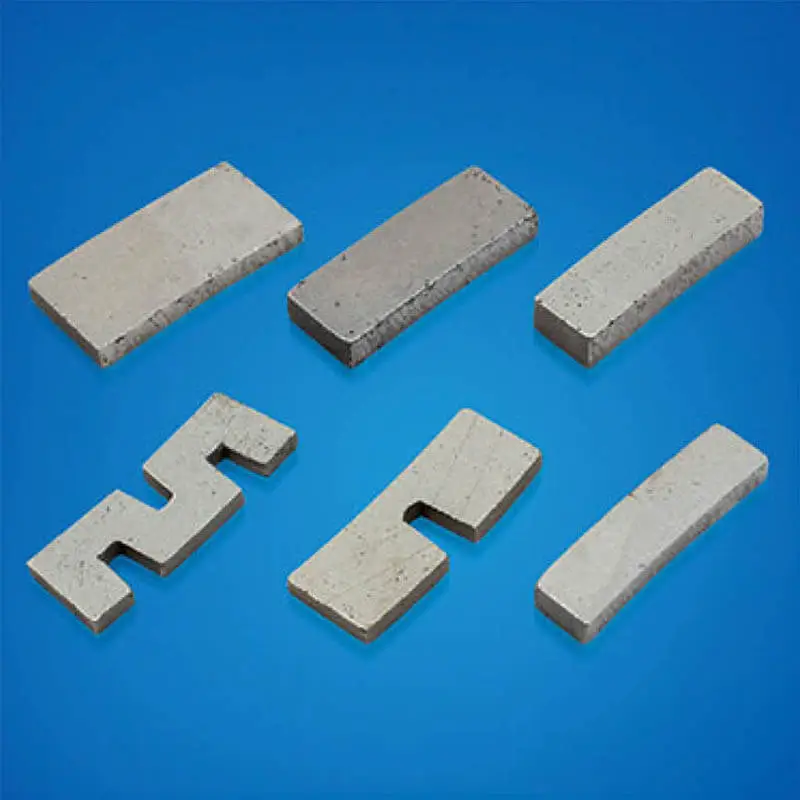
    • For heavy stone work, choose blades and wheels rated for natural stone and granite; these products commonly use specialized segments for prolonged life. See the range for granite segments for slab cutting and profiling.

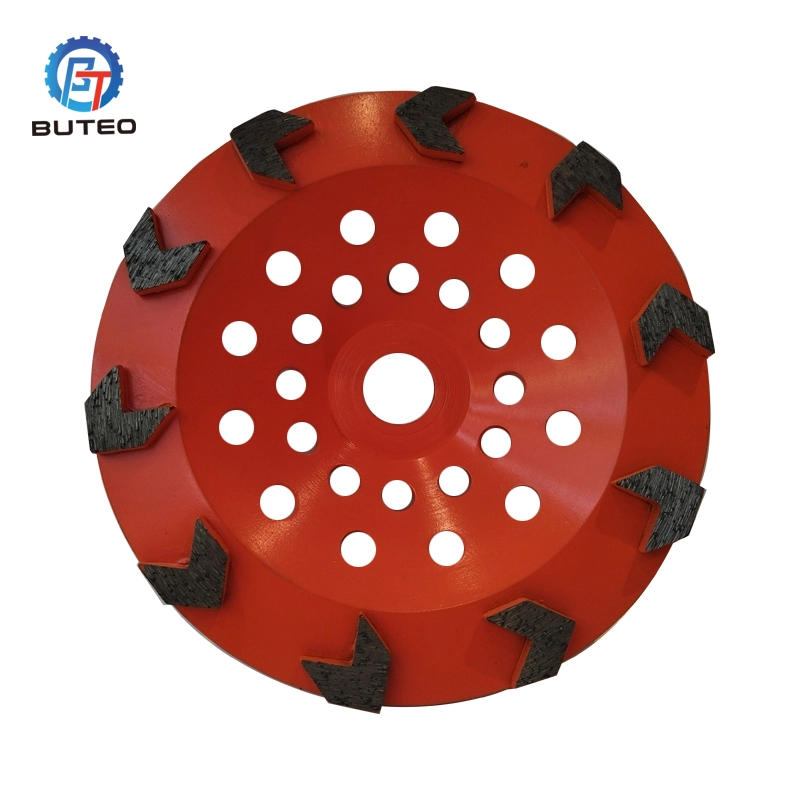
    • When you need to grind or remove burrs on stone, a dedicated grinding disc for granite or a segmented cup wheel will speed work and level surfaces.

    • For large-scale pavement removal or road repair, select blades made for coarse, abrasive mixes — many suppliers carry bulk asphalt blades suited for high-volume removal.

    • If you need specialized diamond components for production, consult a diamond segments factory to discuss custom geometries and bonds.


    Practical workflow tips for clean cuts and long life


    1. Mark and measure carefully, then secure the piece to avoid movement.

    2. Start with shallow passes for precise edges and reduce chipping risk.

    3. Use water when possible; it preserves diamonds and gives cleaner finishes.

    4. Switch to progressively finer grinding or polishing attachments rather than trying to achieve the finish in a single step.

    5. Allow blades to cool and avoid overheating by pacing the cut; long continuous, aggressive cuts generate excessive heat that shortens blade life.


    FAQ — common customer questions 


    Q1 : What is the difference between a tile blade and a stone blade?


    Tile blades (especially for porcelain or glazed ceramics) typically have a continuous rim to minimize chipping and provide smooth edges. Stone blades for granite use segmented rims and a bond tailored to the stone’s abrasiveness for efficient material removal.


    Q2 : Can I cut granite dry instead of wet?


    You can in some situations, but wet cutting is preferred. Water cools and lubricates the blade, reduces dust and friction, and extends tool life. Dry cutting requires excellent dust control and a slower feed to avoid overheating.


    Q3 : Why does my cut chip even with a diamond blade?


    Common causes include using the wrong rim type, excessive feed pressure, loose workpiece, or a blade not rated for the specific material. Match rim type to material and stabilize the workpiece for best results.


    Q4: How often should I dress or replace grinding discs and polishing pads?


    Inspect discs before each job. Replace them when diamonds are worn flat, performance drops noticeably, or the pad shows cracks. For pads, follow grit progression and discard when they no longer remove scratches uniformly.


    Q5: Where can I source blades for heavy duty concrete and road work?


    Look for blades designed for coarse abrasion and heavy spoil removal. If you’re purchasing large quantities, check suppliers offering a dedicated wholesale concrete cutting disc line for commercial applications.


    Vivian
    Vivian

    I am Vivian. I have been working in diamond tools for 22 years, having a deep understanding of the global market for diamond tools. I can provide you with professional advice and guidance. Our factory has been engaged in the diamond industry for over 30 years, having a precise grasp of industry trends. We have deep cooperation with 60+clients in over 100+ countries we have collaborated with, continuously improving our products through cooperation with customers. More adaptable to the needs of the market.

    Products
    References
    More News About Diamond Tools
    Aug 18-2025
    3 Tips to Find Reliable Marble Cutting Blade Wholesale Dealers
    How to Identify the Best Blade for Cutting Marble?A high-quality marble cutting blade should be tailored to your specific needs, like a traditional Chinese medicine prescription. Nickel-plated diamond...
    3 Tips to Find Reliable Marble Cutting Blade Wholesale Dealers
    Feb 26-2025
    What Are the Advantages and Features of Concrete Cutting Blades?
    Features of Concrete Cutting BladesPrecision ManufacturingEach concrete cutting blade undergoes precision manufacturing and strict quality inspection, ensuring high precision and consistency.High-Qual...
    What Are the Advantages and Features of Concrete Cutting Blades?
    Dec 26-2024
    Introduction and Application of Marble Cutting Segment
    What is a Marble Cutting SegmentA marble cutting segment is a high-performance cutting tool specifically designed for diamond saw blades. These blade segments play a crucial role in the stone processi...
    Introduction and Application of Marble Cutting Segment