When it comes to cutting concrete, precision and durability are everything. Whether you’re a professional contractor or a serious DIYer, choosing the right concrete circular and table saw blades determines how efficiently—and safely—you can complete your job. These blades are the backbone of many construction, renovation, and stone-cutting applications, capable of slicing through concrete, brick, stone, and masonry with remarkable accuracy.
This guide walks you through the essentials of selecting, using, and maintaining the perfect concrete saw blade for your needs. From understanding blade types to exploring new diamond technologies, you’ll learn how to cut smarter and get the most out of your tools.
Understanding the Different Types of Concrete Circular and Table Saw Blades
Not all saw blades are built alike. The performance of a concrete cutting blade depends on how it’s designed and what materials it’s intended for. Let’s look at the main types professionals rely on:
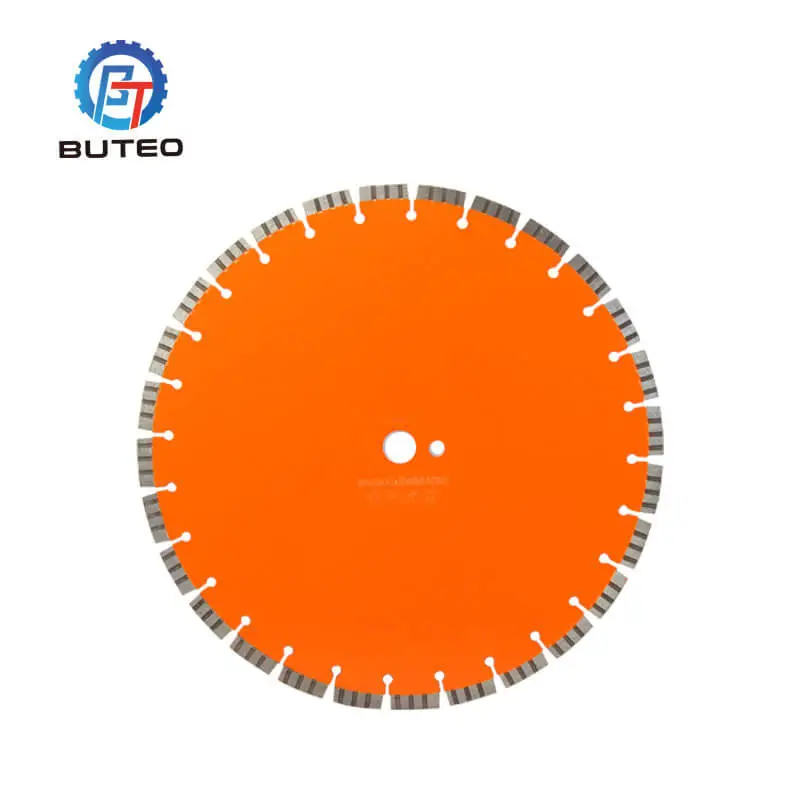
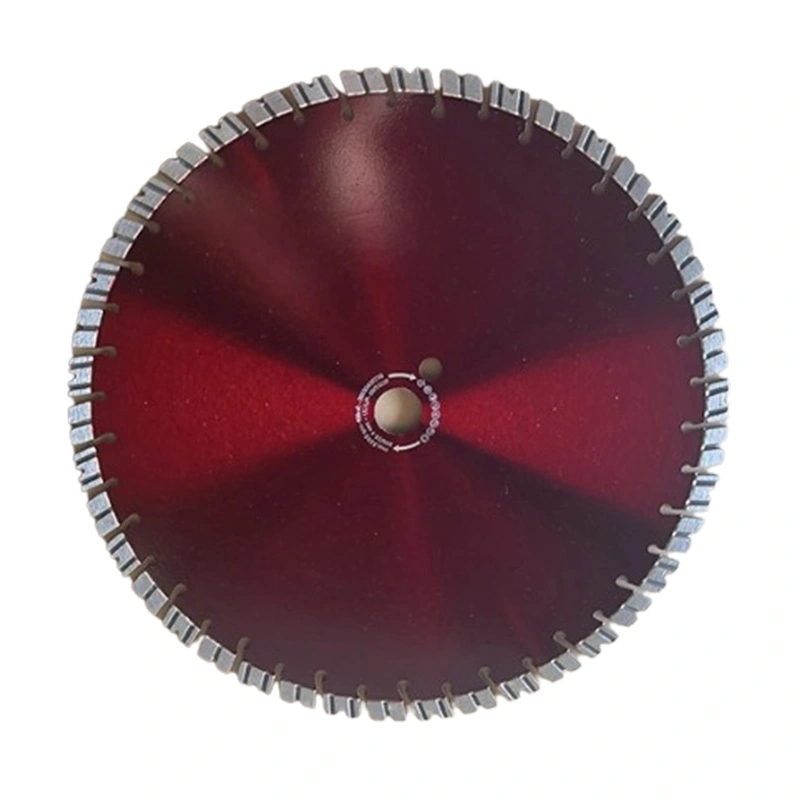
1. Segmented Diamond Blades Segmented blades are the workhorses of construction sites. Their notched design allows better airflow and cooling, which helps prevent overheating during dry cuts. These blades are perfect for cutting cured or reinforced concrete, offering both strength and efficiency.
2. Continuous Rim Blades When a smooth, chip-free finish is essential—such as in tile or marble work—continuous rim blades are the best option. Designed for wet cutting, they maintain constant contact with the surface for an even, polished result.
3. Turbo Rim Blades Turbo blades combine the best of both worlds: the cooling advantages of segmented blades and the smooth finish of continuous rims. Their serrated edge provides faster cuts while maintaining precision, making them ideal for both wet and dry cutting.
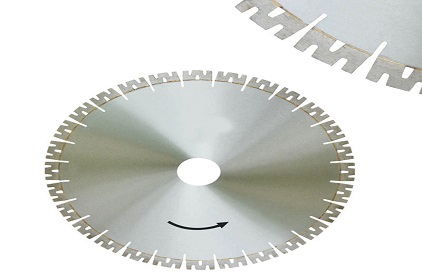
4. Table Saw Blades for Concrete Table saw blades for concrete are built to handle long, demanding cuts. Reinforced with laser-welded diamond segments, they offer stability and vibration control—key factors in preventing operator fatigue and ensuring consistent results.
How to Choose the Best Blade for Your Application
Selecting the right blade starts with understanding the job at hand. The right combination of segment design, bond type, and diameter can dramatically improve performance and extend tool life.
1. Know Your Material Concrete is not one-size-fits-all. Cured concrete with embedded rebar demands a harder bond and a high diamond concentration, while softer or “green” concrete benefits from a softer bond that exposes new diamonds quickly.
2. Decide Between Wet and Dry Cutting Wet cutting keeps blades cool and controls dust, making it ideal for large-scale projects. Dry cutting, on the other hand, is more convenient for smaller or mobile jobs. If using dry blades, take frequent breaks to prevent overheating.
3. Match the Blade to the Saw Always check your saw’s power output and ensure the blade’s diameter and arbor size are compatible. Using an underpowered saw with a heavy-duty blade—or vice versa—can cause damage or dangerous kickbacks.
4. Focus on Segment Design Blades with advanced segment geometries—like turbo or X-type designs—deliver cleaner, faster cuts. Laser-welded blades also offer superior strength, preventing segment loss even under high heat or pressure.
Pro Tips for Using Concrete Circular and Table Saw Blades
Even the highest-quality blade won’t perform well if used incorrectly. Here are some best practices every professional should follow:
1. Mount Properly Ensure the blade is firmly and evenly mounted on the saw. Any imbalance can lead to vibration, uneven cuts, or premature wear.
2. Maintain the Right Speed Let your saw reach full speed before making contact with the material. Use a steady, even pressure—forcing the blade only causes overheating and dulling.
3. Cool the Blade Effectively If wet cutting, ensure a consistent water flow. For dry cutting, limit continuous use and allow time for cooling between passes.
4. Inspect Regularly After each job, clean off debris and inspect the blade for cracks, worn segments, or warping. Proper maintenance not only extends blade life but also ensures safety.
5. Prioritize Safety Always wear safety goggles, gloves, and a dust mask. Follow the manufacturer’s operating guidelines to minimize risk and maximize performance.
Expanding Your Cutting Toolkit
Concrete saw blades are essential, but most professionals work with more than one material. The right accessory can make a huge difference in speed, finish, and overall productivity.
In the stone industry, advanced segment granite designs help achieve precise, clean cuts on dense stone surfaces. For infrastructure work, understanding the road cutting machine blade price is key to balancing performance and cost when purchasing in bulk.
Large-scale granite cutting operations often rely on diamond gang saw segments to improve yield and cutting consistency, while finishing specialists depend on granite grinding disc solutions for smooth, professional finishes.
Contractors sourcing from a concrete cutting disc factory can obtain blades tailored for specific environments or material hardness, ensuring maximum efficiency. Likewise, fabricators working with stone suppliers often partner directly with granite cutting blade manufacturers for consistent quality control and custom sizing.
For interior applications, investing in wholesale marble cutting blade and wholesale tile blades ensures precision and cost savings, particularly for flooring or decorative wall installations.
These products together create a complete cutting ecosystem—each one optimized for a different purpose but sharing the same core qualities: precision, safety, and durability.
Innovation in Diamond Blade Technology
The diamond cutting industry is evolving rapidly. Today’s blades are lighter, stronger, and more efficient than ever before. Innovations such as precision diamond placement, thermal bonding, and improved core balancing have transformed how professionals cut materials.
Laser-welded technology ensures superior durability, while advanced segment engineering reduces vibration and friction. These improvements not only enhance performance but also make cutting safer and more sustainable.
As construction and fabrication industries continue to demand higher efficiency, expect to see even more focus on eco-friendly materials and energy-efficient manufacturing processes in the near future.
Final Thoughts
Concrete circular and table saw blades are vital tools for anyone working with hard construction materials. The key to successful cutting lies in matching the blade to the job, maintaining it properly, and investing in quality manufacturing.
With the right tools, you can achieve clean, accurate cuts that save time, reduce waste, and elevate the overall quality of your work. For professionals seeking reliable performance and customizable solutions, Buteo Diamond Tools provides a trusted range of high-performance blades—built to last, engineered to perform.
Whether you’re cutting reinforced concrete, shaping granite, or trimming tiles, the right blade transforms every project from a challenge into a smooth success.
Vivian
I am Vivian. I have been working in diamond tools for 22 years, having a deep understanding of the global market for diamond tools. I can provide you with professional advice and guidance. Our factory has been engaged in the diamond industry for over 30 years, having a precise grasp of industry trends. We have deep cooperation with 60+clients in over 100+ countries we have collaborated with, continuously improving our products through cooperation with customers. More adaptable to the needs of the market.
How to Identify the Best Blade for Cutting Marble?A high-quality marble cutting blade should be tailored to your specific needs, like a traditional Chinese medicine prescription. Nickel-plated diamond...
In the stone processing industry, the granite grinding disc has become an indispensable tool due to its outstanding performance and unique advantages. This article delves into the technical principles...
Basic Overview of Tuckpoint Grinder BladeA tuckpoint grinder blade is a cutting tool specifically used for trimming and cleaning the gaps in masonry structures. Typically, this blade is made from high...