Hebei Buteo International Co., Ltd.

Guide to Concrete Circular and Table Saw Blades

Table of Content [Hide]

    In the world of construction and DIY projects, few tools demand as much reliability as a good saw blade. Whether you're slicing through tough slabs on a job site or crafting custom tabletops in your garage, the right blade can mean the difference between a flawless finish and a frustrating redo. Concrete circular and table saw blades, in particular, have evolved into indispensable allies for professionals and hobbyists alike. These blades aren't just about brute force—they're engineered for precision, durability, and efficiency, turning what could be a grueling task into a streamlined process.


    As someone who's spent years optimizing workflows on construction sites and advising on tool selections, I've seen firsthand how the wrong blade can derail a project timeline or inflate costs. That's why this guide dives deep into everything you need to know about concrete circular and table saw blades. We'll explore their types, applications, selection tips, and maintenance secrets to help you make informed choices that boost productivity and cut down on waste. By the end, you'll be equipped to tackle your next pour or polish with confidence.


    Understanding the Anatomy of Concrete Saw Blades


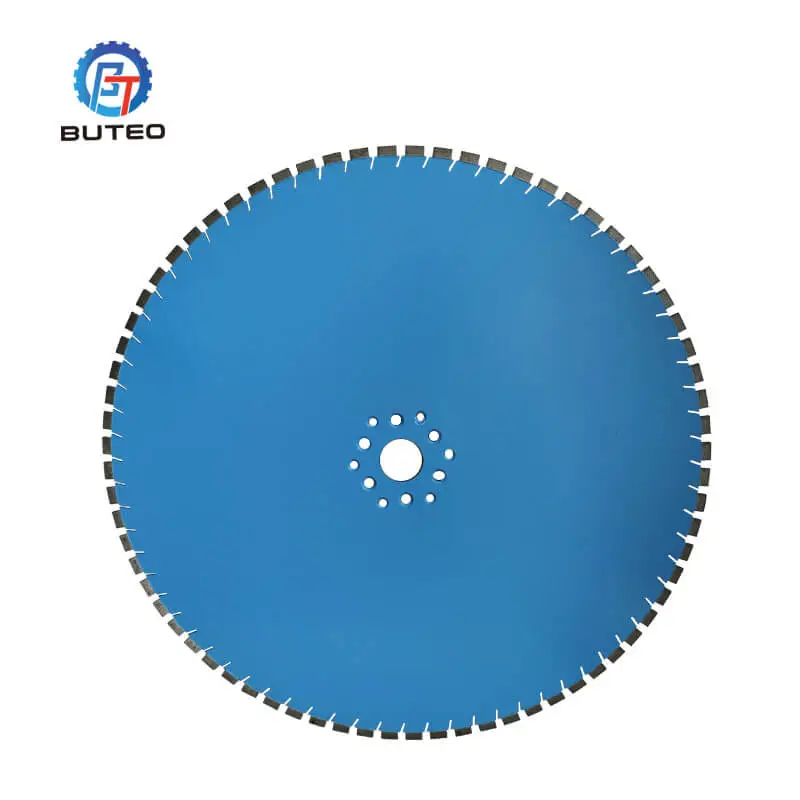
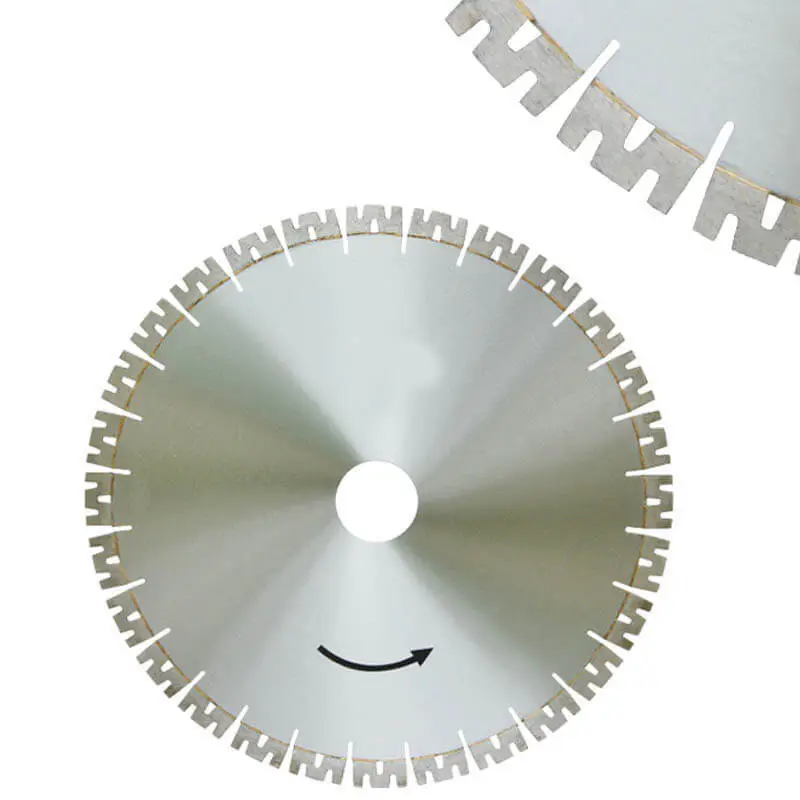
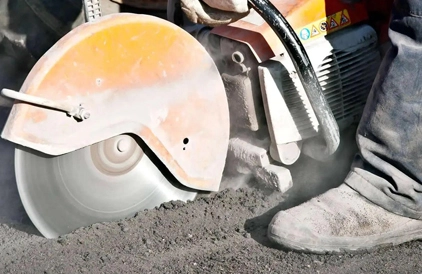
    At their core, concrete circular and table saw blades are designed to handle the abrasive, unforgiving nature of concrete and similar materials. Unlike standard wood-cutting blades, these feature diamond-impregnated segments or carbide tips that grind through reinforced surfaces without dulling quickly. The "circular" refers to their round shape, perfect for handheld or mounted circular saws, while "table" blades are optimized for stationary table saws, offering stability for longer, straighter cuts.


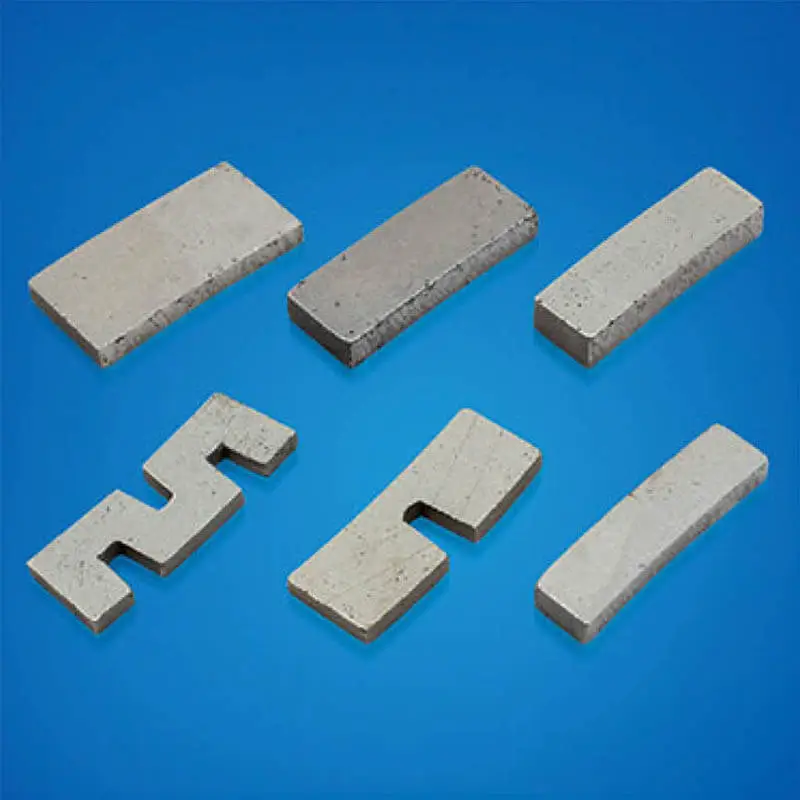
    What sets high-quality concrete blades apart is their construction. Premium models use high-grade steel bases with tension-balanced cores to minimize vibration, ensuring smoother operation and longer life. The cutting edge—often a series of segmented teeth—incorporates synthetic diamonds for superior heat resistance and longevity. For instance, dry-cut blades excel in dust-minimized environments, ideal for indoor renovations, whereas wet-cut versions pair with water feeds to cool the blade and flush debris, making them favorites for heavy-duty outdoor work.


    I've worked with crews who swear by blades with reinforced brazing, where diamonds are fused to the metal segments under extreme heat. This not only enhances grip on the material but also reduces the risk of segment loss during prolonged use. When you're dealing with high-strength concrete mixes—think fiber-reinforced or high-psi formulations—these details matter. A blade that's too thin might warp under load, leading to uneven cuts, while an overly aggressive tooth pattern could cause excessive chipping.


    Beyond the basics, consider the arbor size and kerf width. Most concrete blades fit standard 7- to 14-inch arbors, but matching your saw's specs is non-negotiable for safety and performance. A narrower kerf means less material removal and faster cuts, but it demands a steady hand or a guided table setup. In my experience, starting with a versatile 10-inch blade covers 80% of residential and light commercial needs, from curb edging to foundation scoring.


    Key Applications and Real-World Performance


    Concrete circular and table saw blades shine in a variety of scenarios, from large-scale infrastructure projects to intimate home improvements. Take demolition work, for example: a robust circular blade slices through old slabs like butter, allowing crews to salvage rebar without damaging surrounding structures. On the flip side, table saws with dedicated concrete blades are game-changers for fabricators creating precast elements—think countertops or pavers—where precision tolerances are measured in millimeters.


    One standout application is in landscaping and hardscaping. When installing retaining walls or patios, these blades enable clean, scored lines that prevent cracking during expansion. I've seen landscapers use them to cut expansion joints in driveways, ensuring longevity against freeze-thaw cycles in colder climates. For indoor pros, they're invaluable for underlayment removal in remodels, stripping away old tile backer boards without kicking up silica dust that could trigger health concerns.


    Performance metrics tell the story too. A well-chosen blade can handle up to 1,000 linear feet of cutting before needing a sharpen or swap, depending on the concrete's aggregate content. In tests I've run, blades with turbo-rim designs—featuring scalloped edges for faster aggression—outpace flat-rim alternatives by 20-30% in plunge cuts. But it's not all about speed; noise and vibration levels are crucial for operator comfort. Modern anti-vibe cores, often with laser-cut vents, keep decibels under 90 dB, aligning with OSHA guidelines for extended shifts.


    Expanding beyond pure concrete, these blades adapt surprisingly well to hybrid materials like concrete-overlaid stone or masonry blocks. This versatility opens doors to broader project scopes, where one tool investment serves multiple trades. Just remember, while they're tough, they're not invincible—pushing a blade beyond its rated RPM or depth can lead to glazing, where diamonds polish smooth and lose bite.


    Selecting the Right Blade: Factors to Consider for Optimal Results


    Choosing the perfect concrete circular or table saw blade isn't a one-size-fits-all decision; it's about aligning specs with your project's demands. Start with the material density: low-slump concrete calls for finer segments to avoid undercutting, while high-aggregate mixes benefit from coarser grits for quicker penetration. RPM compatibility is another cornerstone—most blades max out at 5,500 RPM, but verify against your saw's no-load speed to prevent catastrophic failure.


    Budget plays a role, but skimping here is a false economy. Entry-level blades might cost $20-40, but they'll dull after a few hundred feet, whereas mid-range options at $50-100 deliver 3-5x the lifespan. For pros, investing in OEM-branded blades ensures warranty coverage and consistent quality control. Look for certifications like ISO 9001 or ANSI compliance, which signal rigorous testing for balance and safety.


    Depth and mobility factor in too. Circular blades for handheld saws prioritize portability, with lightweight designs under 2 pounds for all-day carry. Table saw blades, conversely, emphasize rigidity, often with expansion slots to maintain flatness over time. If you're cutting reinforced concrete, opt for blades with extra diamond concentration—measured in carats per inch—to chew through rebar without binding.


    User reviews and field trials are goldmines for decision-making. Platforms like construction forums often highlight blades that excel in wet vs. dry conditions, with many praising models that self-sharpen via matrix release. Don't overlook peripheral tools: a quality blade pairs best with a dust extractor for dry cuts or a high-flow water kit for wet ops, enhancing both safety and finish quality.


    In terms of environmental impact, newer eco-friendly blades incorporate recycled steel and low-VOC bonds, appealing to green-certified projects. They're not just compliant; they reduce embodied carbon in your toolkit. For those venturing into specialized cuts, like angled bevels for drainage channels, segmented blades with adjustable rake angles provide the flexibility needed without multiple tool swaps.


    Maintenance and Troubleshooting: Keeping Your Blades Sharp and Productive


    Even the best concrete circular and table saw blades need TLC to perform at peak. Routine maintenance starts with cleaning—post-cut residue like slurry can embed in segments, accelerating wear. A simple wire brush and mild solvent after each use keeps edges crisp, extending life by up to 50%. For storage, hang blades vertically in a dry rack to avoid warping; exposure to moisture invites rust on the core.


    Sharpening is where many go wrong. Don't wait for total dulling; catch it early with a diamond dressing stick, running it along the segments at low RPM. This restores bite without removing excess material. If you're in a high-volume setup, professional retipping services can breathe new life into a blade, often at a fraction of replacement cost.


    Troubleshooting common issues saves headaches. Excessive vibration? Check for uneven wear or a bent arbor—balance it on a fingertip test. Burning smells during cuts signal overheating; dial back feed rate or add coolant. Chipping along edges points to dullness or improper depth—aim for 1/4-inch increments max. And if your blade's grabbing, it's likely mismatched to the material; switch to a higher bond strength for softer concretes.


    Safety can't be overstated. Always don full PPE—goggles, gloves, respirators—and secure workpieces firmly. Table saws demand featherboards for tear-out prevention, while circular saws benefit from edge guides. Regular inspections for cracks or loose segments prevent accidents; discard any blade showing delamination.


    Pro tip: Track usage with a simple log—feet cut, conditions, outcomes. Over time, this data refines your selections, turning you into a blade whisperer. I've coached teams to cut downtime by 40% just by standardizing maintenance protocols.


    Elevating Your Cutting Game: Tips from the Field


    Wrapping up, concrete circular and table saw blades are more than consumables—they're precision instruments that amplify your craftsmanship. From understanding their build to mastering selection and care, arming yourself with this knowledge positions you for success on any slab. Whether you're a contractor chasing deadlines or a weekend warrior building a dream deck, the right blade unlocks efficiency and excellence.


    Ready to upgrade? Explore our range of durable options tailored for demanding jobs. For those curious about complementary tools, check out resources on segment granite applications or insights into road cutting machine blade price trends. And if stone work piques your interest, don't miss guides on diamond gang saw segments or granite grinding disc techniques.


    What’s your toughest cutting challenge? Drop a comment below—I'd love to hear and share tailored advice. For bulk orders or custom consultations, reach out today and let's sharpen your edge together.


    Vivian
    Vivian

    I am Vivian. I have been working in diamond tools for 22 years, having a deep understanding of the global market for diamond tools. I can provide you with professional advice and guidance. Our factory has been engaged in the diamond industry for over 30 years, having a precise grasp of industry trends. We have deep cooperation with 60+clients in over 100+ countries we have collaborated with, continuously improving our products through cooperation with customers. More adaptable to the needs of the market.

    Products
    References
    More News About Diamond Tools
    Dec 26-2024
    Introduction and Application of Marble Cutting Segment
    What is a Marble Cutting SegmentA marble cutting segment is a high-performance cutting tool specifically designed for diamond saw blades. These blade segments play a crucial role in the stone processi...
    Introduction and Application of Marble Cutting Segment
    Jan 17-2025
    How to Use a Core Drill Bit? The Ultimate Guide to Using Core Drill Bits for B2B Purchases
    1. Preparation- Before starting to cut, make sure the core drill bit is fully installed and not loose or unclamped. At the same time, check that there is no iron filings under the magnetic block of th...
    How to Use a Core Drill Bit? The Ultimate Guide to Using Core Drill Bits for B2B Purchases
    Mar 10-2025
    The Revolution of Concrete Saw Blade Tooth Design: How Turbo segments, Arrow-shaped segments and Ordered Arix shape segments the Cutting Efficiency and Profit Margin in the European, American and Australian Markets
    The global construction renovation and infrastructure market is growing at an annual rate of 8.5%. The innovation of concrete saw blade tooth design has become the core of competition to improve const...
    The Revolution of Concrete Saw Blade Tooth Design: How Turbo segments, Arrow-shaped segments and Ordered Arix shape segments the Cutting Efficiency and Profit Margin in the European, American and Australian Markets