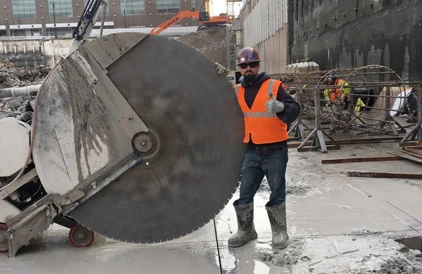
Cracked, jagged edges. Blades smoking like a tired old engine. Frustration building faster than roadwork traffic. If your asphalt cutting feels more like a losing battle than a clean operation, you’re not doing it wrong—you’re just using the wrong tools.
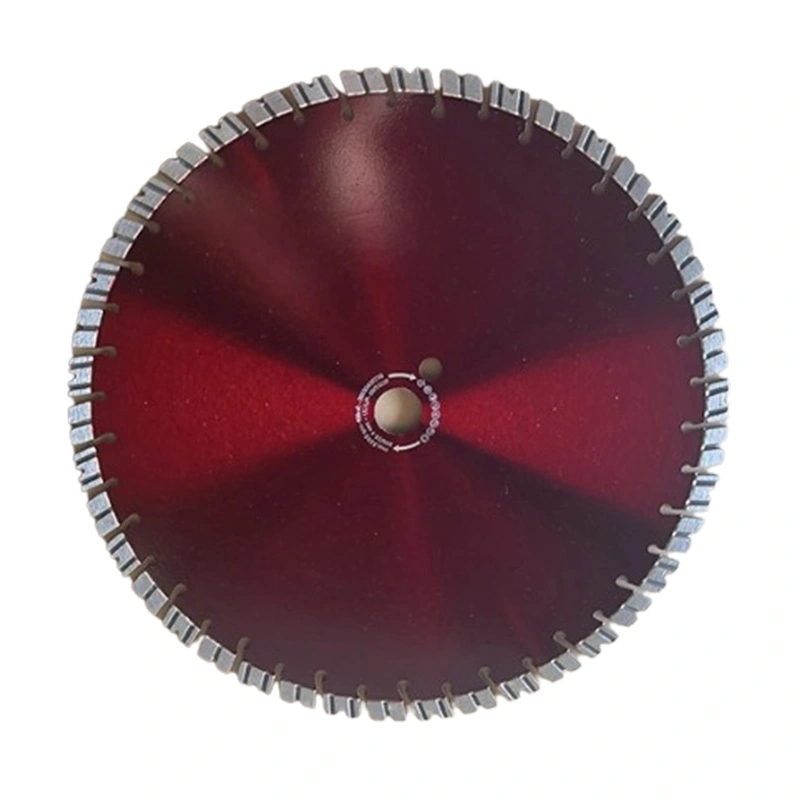
The best way to cut through asphalt? A diamond blade engineered for heat resistance, precision, and raw endurance. Whether you’re slicing fresh pavement or chewing through weathered blacktop, the right blade makes all the difference—less chatter, fewer replacements, and cuts so smooth, you’d think the asphalt wanted to split.
Still, not all asphalt blades are born equal. Some overheat and warp. Others wear down faster than cheap sneakers on hot asphalt. So let’s dig into what actually works—and why so many traditional methods fall short.
1. Why Traditional Asphalt Cutting Methods Fail?
Picture this: a standard abrasive blade meets asphalt. At first, it bites in—grit grinding away like sandpaper. But asphalt, cunning as it is, fights back. The aggregate chews at the blade, sparking heat and melting the binding matrix. Before long, the teeth are dull, the cut wanders, and your project timeline stretches like a fresh strip of sticky pavement.
Traditional blades fail for three key reasons:
Aggressive abrasion ≠ durability – Carbide teeth chip under asphalt’s gritty mix of stone and bitumen.
Heat is the silent killer – Without proper cooling, blades warp, glaze over, or worse, shatter mid-cut.
One blade does NOT fit all – Fresh asphalt cuts differently than sun-baked, weathered pavement.
Ever tried an angle grinder asphalt blade on thick roadwork? It’s like slicing a steak with a butter knife—possible, but painful. What you need is a blade built not just to cut, but to outlast the job.
2. The Science Behind Perfect Asphalt Cuts
What makes a diamond blade slice asphalt like butter, not battle it? It’s all in the design—precision meets sheer stubbornness.
Diamond segments aren’t just glued on; they’re engineered to bite deep without biting off more than they can chew. The secret? A matrix that holds diamonds tight enough to cut, but soft enough to shed worn particles and reveal fresh, sharp edges.
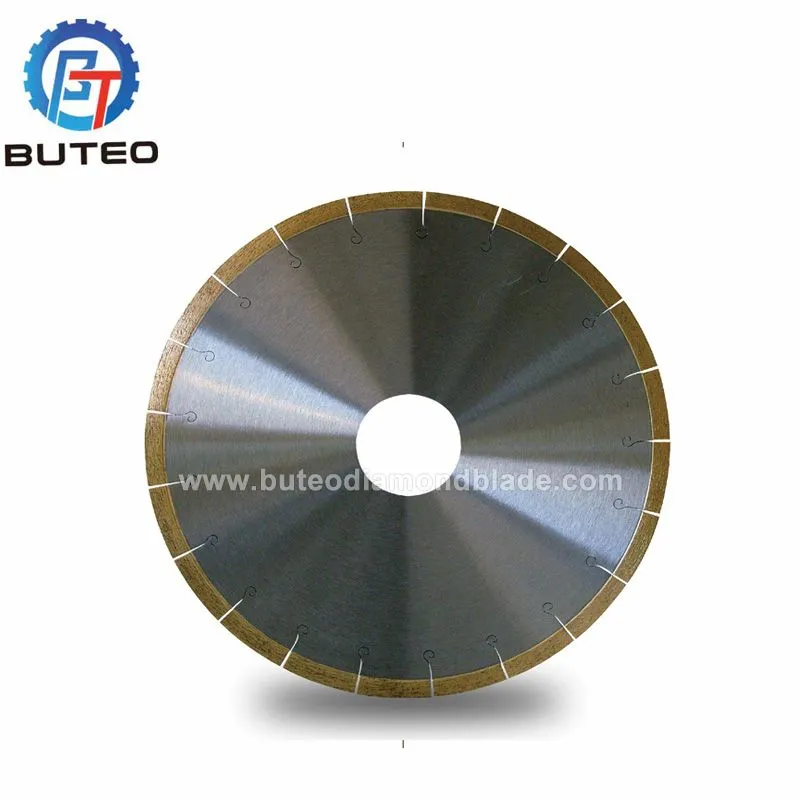
Heat dissipation plays hero here, too. Some blades rely on segmented rims—airflow cools them mid-cut, while laser-welded bases prevent warping under pressure. The result? A blade that stays sharp longer, even when the asphalt gets tough.
"A good asphalt blade doesn't just cut—it adapts."
And while we’re at it, let’s bust a myth: harder isn’t always better. A blade too rigid will fracture under stress, while one too soft wears out prematurely. The sweet spot? A balance of flexibility and diamond density—like a boxer’s stance, ready to take hits without buckling.
3. Key Factors for Choosing Asphalt Cutting Blades
Factor
Why It Matters
What to Look For
Diamond Grit Size
Determines smoothness vs. speed
Medium grit for balance
Segment Bonding
Softer bonds = better wear control
Cobalt or nickel alloys
Cooling Design
Prevents warping & glaze buildup
Laser-cut vents or slots
Blade Rigidity
Too stiff = cracks; too soft = wobbles
Steel core with vibration dampening
Not all blades are made for your job. Need speed? Go for wider segments. Working on old, crusty pavement? Opt for a softer bond that sheds worn diamonds faster. And if you're using an grinder asphalt blade, lightweight yet heat-resistant materials are key—otherwise, your wrists (and the tool) will protest.
4. Wet Cutting vs. Dry Cutting: Which Saves You More?
Cons: Requires water source, cleanup hassle, slippery surfaces
B. Dry Cutting – Fast, Furious… and Risky?
Pros: No setup, more portable, quicker for small jobs
Cons: Overheating risk, faster wear, more blade replacements
There’s no "right" answer—only what fits your workflow. For big jobs, wet cutting pays off long-term. For quick cuts, a well-designed dry blade saves time (if you manage the heat).
5. Pro Tips to Extend Asphalt Blade Life by 200%
Let the Blade Do the Work
Pushing too hard? Stop. A diamond blade self-sharpens—forcing it just burns out diamonds prematurely.
Match the Blade to the Asphalt
Fresh asphalt = medium-bond diamond blade
Aged, oxidized pavement = softer bond for faster wear adjustment
Keep It Cool
For dry cutting: Pause every few minutes to let heat disperse.
For wet cutting: Ensure steady water flow—no sporadic splashes.
The Right Blade Makes the Cut—Literally
Choose wrong, and you’ll spend more time swapping blades than cutting. Choose right, and your next asphalt job will run smoother than fresh pavement at sunrise. So—ready to make every slice count? Your blade (and your crew’s patience) will thank you.
Vivian
I am Vivian. I have been working in diamond tools for 22 years, having a deep understanding of the global market for diamond tools. I can provide you with professional advice and guidance. Our factory has been engaged in the diamond industry for over 30 years, having a precise grasp of industry trends. We have deep cooperation with 60+clients in over 100+ countries we have collaborated with, continuously improving our products through cooperation with customers. More adaptable to the needs of the market.
With the development of the economy, modern architecture increasingly uses various new materials. According to statistics, a new type of flooring material is introduced every five years. This raises h...
In today's decorative materials, many natural stones have become the first choice for decorating lobbies, floors, and walls due to their beautiful patterns and hard physical characteristics. Prolo...
Basic Overview of Tuckpoint Grinder BladeA tuckpoint grinder blade is a cutting tool specifically used for trimming and cleaning the gaps in masonry structures. Typically, this blade is made from high...