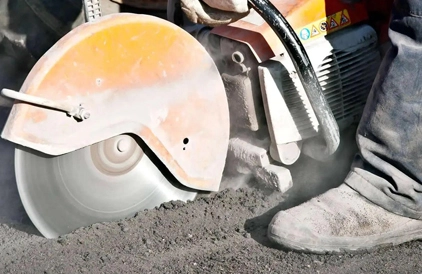
Material and Structural Features of the Tile Cutter Blade
The ability of the tile cutter blade to achieve high-precision cutting on hard and brittle tiles relies on its special material composition and structural design. This is mainly reflected in the following aspects:
Diamond Coating Technology
The cutting edges of most high-performance tile cutter blades are coated with diamond. These diamonds are usually industrially synthesized, with a hardness second only to natural diamond, and can effectively handle the cutting challenges of high-density tiles such as vitrified tiles and microcrystalline stone. The grain size and concentration of the diamond particles directly affect cutting speed and surface smoothness: coarse particles are suitable for fast cutting, while fine particles are more suitable for precision work.
Steel Base and Composite Structure
High-quality tile cutter blades often use manganese steel or alloy steel as the base, providing high strength, good toughness, and resistance to thermal deformation. Some high-end models also adopt laser welding technology, allowing the diamond blade tips to be firmly bonded to the base, making them less likely to fall off during high-speed cutting and enhancing overall durability.
Diversified Edge Designs
According to different cutting needs, the blade edge designs can be divided into three types:
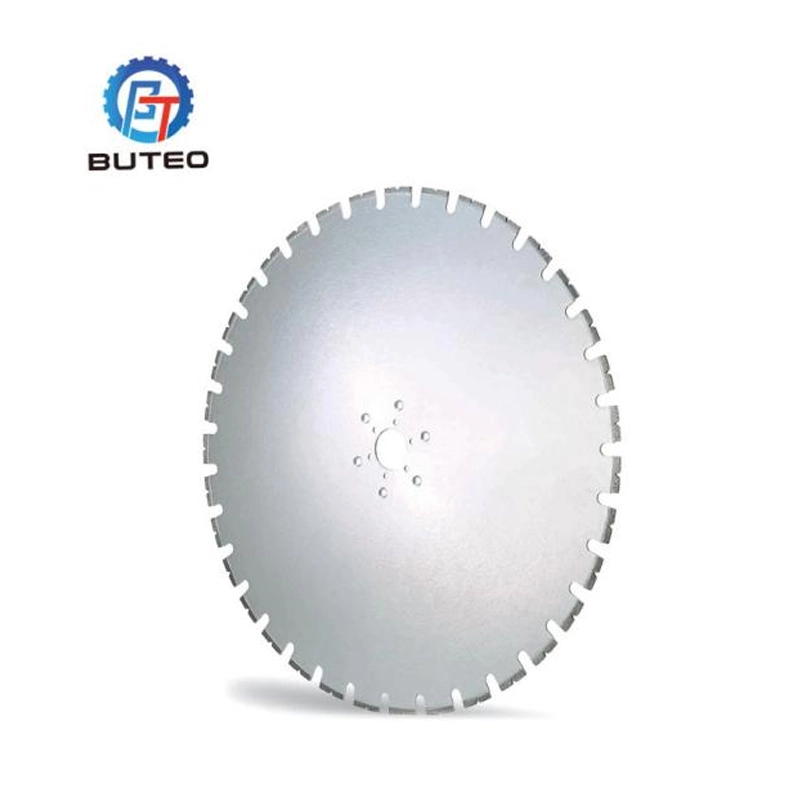
Continuous edge: suitable for wet cutting, produces smooth cuts with almost no chipping, ideal for high-end tiles or decorative surfaces;
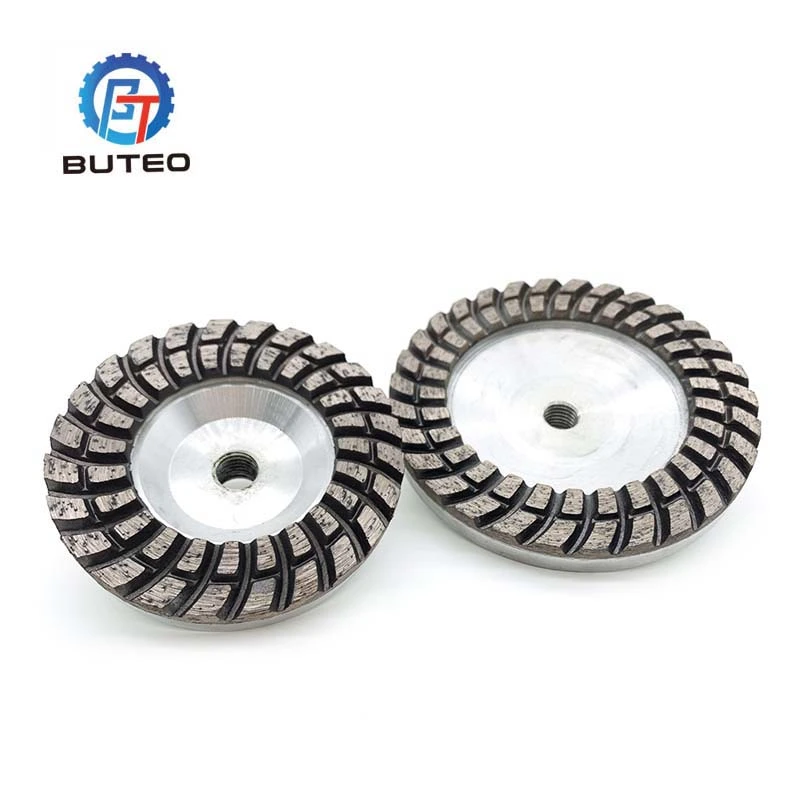
Turbo edge: features wavy grooves, offers good heat dissipation and fast cutting speed, balancing efficiency and precision, suitable for on-site construction;
Segmented edge: suitable for dry cutting, excellent heat dissipation, appropriate for rough processing, but more prone to edge chipping.
By reasonably selecting the edge design of the tile cutter blade, construction efficiency can be greatly improved and tile loss rate reduced.
Compatible Tools and Cutting Methods for the Tile Cutter Blade
The tile cutter blade is highly versatile, compatible with various cutting tools, and supports both dry and wet cutting modes. Construction personnel can choose the appropriate method according to different scenarios:
Detailed Tool Compatibility
Angle grinder: portable, suitable for quick on-site cutting, commonly used for corner trimming and small tile processing, mainly matches with dry cutting blades;
Tabletop wet cutter: used for large-area tile processing, equipped with a water cooling system for continuous cooling, compatible with continuous edge diamond blades, delivers smooth cuts with minimal chipping;
Handheld tile cutter: lightweight, suitable for small home renovations, compatible with various small-size blades, appropriate for low-frequency usage scenarios;
Rail cutting machine: suitable for high-precision and repetitive cutting operations, commonly used in factory prefabrication or large-scale project sites.
Comparison of Dry and Wet Cutting
Dry cutting: does not require a water source, convenient for construction, suitable for small-scale or temporary cutting tasks. However, high temperatures can accelerate blade wear and increase the risk of tile edge chipping;
Wet cutting: uses water flow for cooling to reduce friction heat, minimize dust, and extend blade life. It is the preferred method for high-demand tile processing. Especially when cutting high-hardness tiles such as microcrystalline stone and polished tiles, it performs better.
In actual construction, the tile cutter blade should be reasonably selected according to the construction environment, work intensity, and cutting target, in order to ensure both efficient and safe tile cutting.
Vivian
I am Vivian. I have been working in diamond tools for 22 years, having a deep understanding of the global market for diamond tools. I can provide you with professional advice and guidance. Our factory has been engaged in the diamond industry for over 30 years, having a precise grasp of industry trends. We have deep cooperation with 60+clients in over 100+ countries we have collaborated with, continuously improving our products through cooperation with customers. More adaptable to the needs of the market.
Comparison of Cost AdvantagesChinese Diamond ToolsChina has rich raw material resources and a large labor market, which gives Chinese diamond tools obvious cost advantages in production. In terms of r...
Cracked, jagged edges. Blades smoking like a tired old engine. Frustration building faster than roadwork traffic. If your asphalt cutting feels more like a losing battle than a clean operation, you’r...
In today's decorative materials, many natural stones have become the first choice for decorating lobbies, floors, and walls due to their beautiful patterns and hard physical characteristics. Prolo...