When it comes to B2B procurement, understanding the tools you need is crucial. Core drill bits are essential for various industrial applications, and knowing how to use them effectively can save time and money. This guide will walk you through everything you need to know about core drill bits, from types and usage to maintenance and common mistakes.
To use a core drill bit, first, select the appropriate type for your material. Secure the drill and ensure proper lubrication. Begin drilling at a low speed, gradually increasing as needed. Always follow safety protocols to avoid accidents.
In the following sections, we will delve deeper into the specifics of core drill bits, providing you with detailed insights to make informed purchasing decisions for your business.
Understanding Core Drill Bits
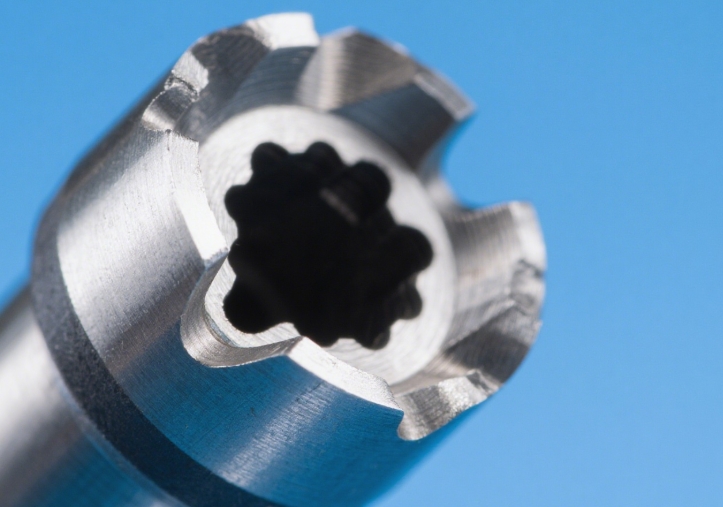
Core drill bits are specialized tools designed for drilling precise holes in various materials. They are commonly used in construction, plumbing, and electrical installations. These bits come in different sizes and materials, each suited for specific tasks. Understanding the basics of core drill bits can help you choose the right one for your needs.
Firstly, core drill bits are designed to cut through tough materials like concrete, brick, and stone. Secondly, they are available in various diameters, allowing for flexibility in application. Thirdly, they can be used with both handheld and rig-mounted drills, providing versatility. Additionally, there are different types of core drill bits, such as diamond-tipped and carbide-tipped, each offering unique benefits. With proper knowledge, you can select the best core drill bit for your project, ensuring efficiency and precision.
Types of Core Drill Bits
Type of Core Drill Bit
Material
Best For
Diamond Core Drill Bit
Diamond
Concrete, Stone, Tile
Carbide Core Drill Bit
Carbide
Brick, Masonry, Soft Stone
Steel Core Drill Bit
Steel
Wood, Plastic, Soft Metals
There are various types of core drill bits, each designed for specific materials and applications. Diamond core drill bits, for example, are ideal for drilling through hard materials like concrete and stone. Carbide core drill bits, on the other hand, are better suited for softer materials such as brick and masonry. Steel core drill bits are typically used for drilling through wood, plastic, and soft metals. By understanding the different types of core drill bits, you can make an informed decision and choose the right tool for your project.
Choosing the Right Core Drill Bit for Your Project
Selecting the appropriate wholesale core drill bit for your project is crucial for achieving optimal results. To begin with, consider the material you will be drilling. For concrete and stone, a diamond core drill bit is recommended. For softer materials like brick and masonry, a carbide core drill bit is more suitable. Additionally, take into account the diameter of the hole you need to drill. Core drill bits come in various sizes, so choose one that matches your requirements. Furthermore, consider the type of drill you will be using. Handheld drills are suitable for smaller projects, while rig-mounted drills are better for larger, more demanding tasks. With careful consideration, you can select the right core drill bit for your project, ensuring efficiency and precision.
How to Use a Core Drill Bit Safely?
Using a core drill bit safely is essential to prevent accidents and ensure a successful drilling process. If you were to follow these safety guidelines, you would minimize the risk of injury. Firstly, always wear appropriate personal protective equipment, such as safety goggles and gloves. Secondly, ensure the drill is securely fastened to prevent it from slipping during operation. Thirdly, use proper lubrication to reduce friction and prevent overheating. Additionally, start drilling at a low speed and gradually increase as needed. By following these safety protocols, you can use a core drill bit safely and effectively.
Maintenance and Care for Core Drill Bits
Proper maintenance and care for core drill bits can extend their lifespan and ensure optimal performance. If you were to clean the drill bit after each use, you would prevent debris buildup and maintain its cutting efficiency. Additionally, store the drill bits in a dry, cool place to prevent rust and corrosion. Regularly inspect the drill bits for signs of wear and replace them if necessary. By taking these steps, you can ensure your core drill bits remain in good condition and provide reliable performance.
Common Mistakes to Avoid When Using Core Drill Bits
Avoiding common mistakes when using core drill bits can save time and prevent damage to the tool and material. If you were to avoid applying excessive pressure, you would prevent the drill bit from overheating and breaking. Additionally, ensure the drill bit is properly aligned with the material to avoid uneven holes. By following these guidelines, you can avoid common mistakes and achieve optimal results when using core drill bits.
Vivian
I am Vivian. I have been working in diamond tools for 22 years, having a deep understanding of the global market for diamond tools. I can provide you with professional advice and guidance. Our factory has been engaged in the diamond industry for over 30 years, having a precise grasp of industry trends. We have deep cooperation with 60+clients in over 100+ countries we have collaborated with, continuously improving our products through cooperation with customers. More adaptable to the needs of the market.
As an essential tool in the modern industrial cutting field, diamond saw blades have become the preferred tool for processing hard and brittle materials like stone, ceramics, and concrete due to their...
A worn-out coring drill bit doesn't always scream for replacement—sometimes, it whispers. Ignoring these subtle warnings can lead to costly mistakes, from ruined workpieces to wasted hours. Here...
Features of Concrete Cutting BladesPrecision ManufacturingEach concrete cutting blade undergoes precision manufacturing and strict quality inspection, ensuring high precision and consistency.High-Qual...