Hebei Buteo International Co., Ltd.

Can't Tell the Difference Between Grinding Wheels, Cutting Blades, and Grinding Discs?

Table of Content [Hide]

    Grinding wheels, cutting blades, and grinding discs have different types and applications. Let's take a closer look at the differences among these three.


    Grinding Wheels


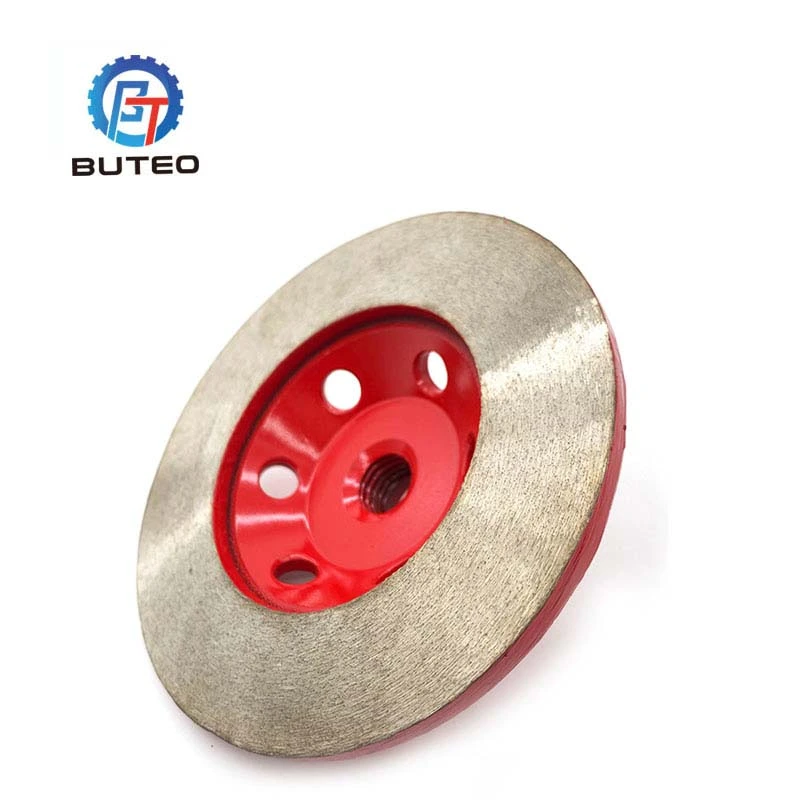
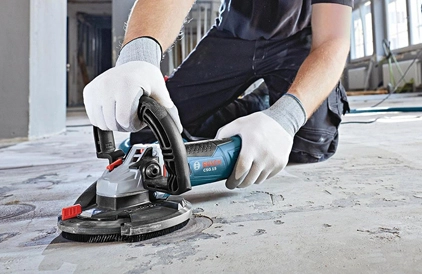
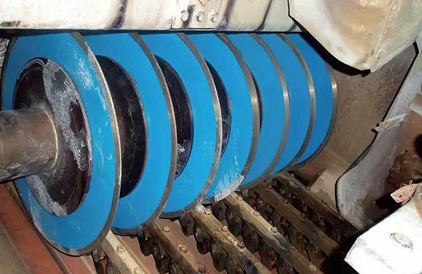
    Grinding wheels are very common abrasive tools in the grinding process. They are usually made by adding a bonding agent to the abrasive, and then forming, drying, and firing the mixture. The main characteristic parameters include the abrasive, viscosity, shape, hardness, bonding agent, and size. Because of the differences in abrasives, bonding agents, and manufacturing processes, the final grinding wheels can vary significantly. Hence, the abrasive, bonding agent, and manufacturing process have a crucial impact on the quality and productivity of the grinding process.


    Classification of Grinding Wheels:


    • According to the abrasive, grinding wheels can be divided into resin grinding wheels, ceramic grinding wheels, diamond grinding wheels, etc.;

    • According to the shape, grinding wheels can be divided into flat-shaped wheels, cup-shaped wheels, cylindrical wheels, tapered edge wheels, disc wheels, etc.;

    • According to the bonding agent, grinding wheels can be divided into metal wheels, rubber wheels, resin wheels, ceramic wheels, etc.


    Cutting Blades


    Cutting blades refer to thin discs made of abrasives and bonding agents, used for cutting ordinary steel, stainless steel metals, and non-metal materials. They mainly use glass fiber and resin as reinforcing bonding materials, with high tensile, impact, and bending strength. Therefore, they are widely used for cutting raw materials of ordinary steel, stainless steel metals, and non-metals.


    According to the material, cutting blades are mainly divided into fiber resin cutting blades and diamond cutting blades.


    The former uses resin as the bonding agent, integrates glass fiber mesh and various materials, and can cut hard materials such as alloy steel and stainless steel very effectively. This ensures stable cutting precision, greatly improving cutting efficiency and saving production costs. Cutting can be done in dry or wet conditions.


    Diamond cutting blades are mainly used for cutting hard and brittle materials such as stone, new and old roads, prefabricated slabs, concrete, ceramics, etc. They mainly include two parts: the substrate and the blade. The substrate is the main support that bonds the blade. The blade contains diamonds, which is currently the hardest material and can effectively cut the object being processed. The blade will wear out during use, but the substrate will not.


    Grinding Discs


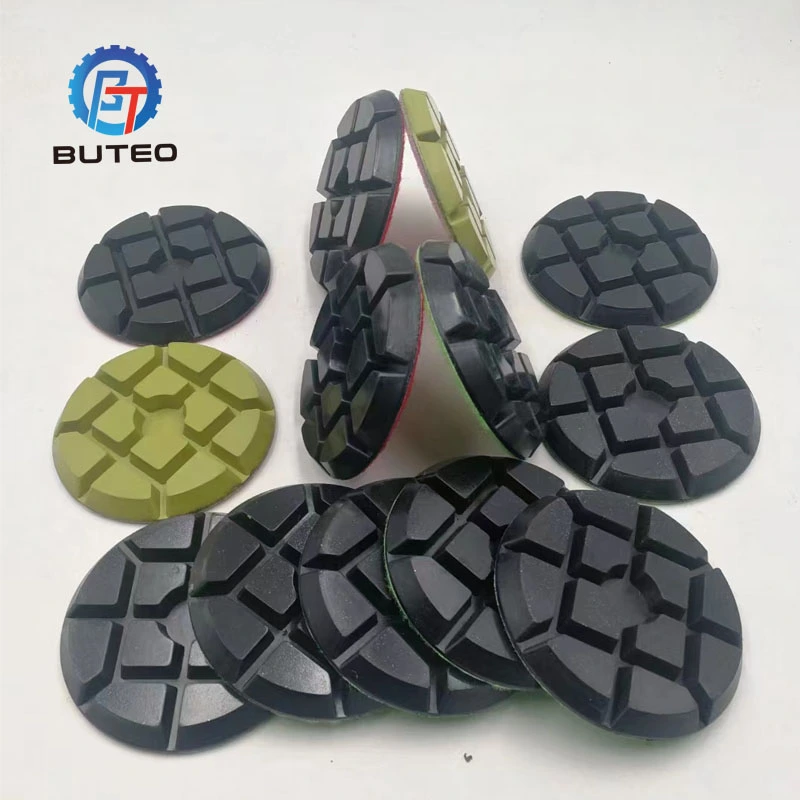
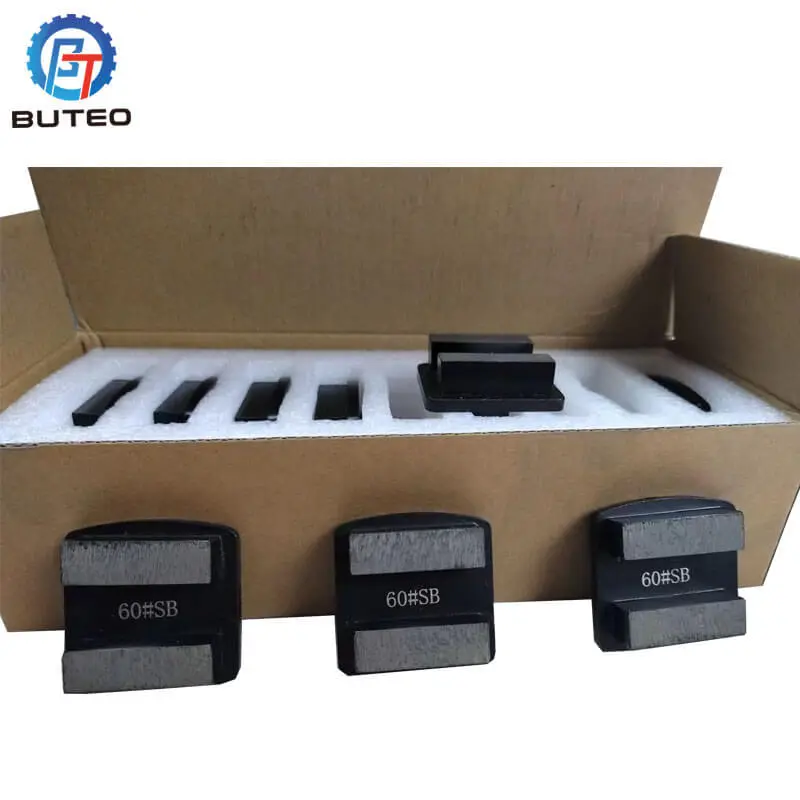
    Grinding discs use the force of a high-voltage electrostatic field to plant fine abrasive grains (alumina or silicon carbide) onto a high-strength polyester film, making all the abrasive grains have sharp edges facing outward. This ensures sharp cutting and provides a higher grinding efficiency and a bright and delicate polishing effect. After being processed with velcro and cutting, they are made into specific grinding discs like granite polishing plates, which are specially designed for hard materials such as granite. These discs have high hardness and wear resistance, enabling effective rough and fine grinding, ensuring a smooth and flat surface. Different types of grinding discs meet various cutting, grinding, and polishing needs.


    The abrasive particles of grinding discs are arranged directionally, and the surface of the product is sharp, ensuring the best grinding efficiency of the abrasive belt. The surface abrasive particles are evenly distributed, combined with special bonding agents, preventing deep and irregular scratches, and offering good chip removal capability, making it less likely to clog.


    The grit sizes include 120#, 240#, 320# and so on.


    Choosing the Right Tool: Material, Application, and Safety Tips


    1. Match the Tool to the Material

    Metal? Use aluminum oxide grinding wheels or TCT blades. Concrete? Diamond blades dominate. Wood? High-tooth-count carbide saws win. Wrong material = wasted time & money.


    2. Speed vs. Precision? Pick Your Weapon

    – Grinding wheels shape and smooth.
    – Cutting blades make fast, deep slices.
    – Grinding discs balance both (but excel at neither).


    3. RPM & Safety: Don't Guess, Check!

    Over-speed a blade? It explodes. Too slow? It burns out. Always match tool specs to your machine.

    Vivian
    Vivian

    I am Vivian. I have been working in diamond tools for 22 years, having a deep understanding of the global market for diamond tools. I can provide you with professional advice and guidance. Our factory has been engaged in the diamond industry for over 30 years, having a precise grasp of industry trends. We have deep cooperation with 60+clients in over 100+ countries we have collaborated with, continuously improving our products through cooperation with customers. More adaptable to the needs of the market.

    Products
    References
    More News About Diamond Tools
    Apr 16-2025
    How to Choose, Use, and Maintain Ceramic Tile Polishing Pads?
    With the development of the economy, modern architecture increasingly uses various new materials. According to statistics, a new type of flooring material is introduced every five years. This raises h...
    How to Choose, Use, and Maintain Ceramic Tile Polishing Pads?
    Aug 09-2025
    Tile Cutting Helper: Understanding Tile Cutter Blades
    Material and Structural Features of the Tile Cutter BladeThe ability of the tile cutter blade to achieve high-precision cutting on hard and brittle tiles relies on its special material composition and...
    Tile Cutting Helper: Understanding Tile Cutter Blades
    Jan 15-2025
    How to Choose Wall Cutting Disc
    Selecting an appropriate wall cutting disc has a significant impact on work efficiency, cost savings, workpiece quality, safety, and applicability. Therefore, when choosing a wall cutting disc, it is ...
    How to Choose Wall Cutting Disc